





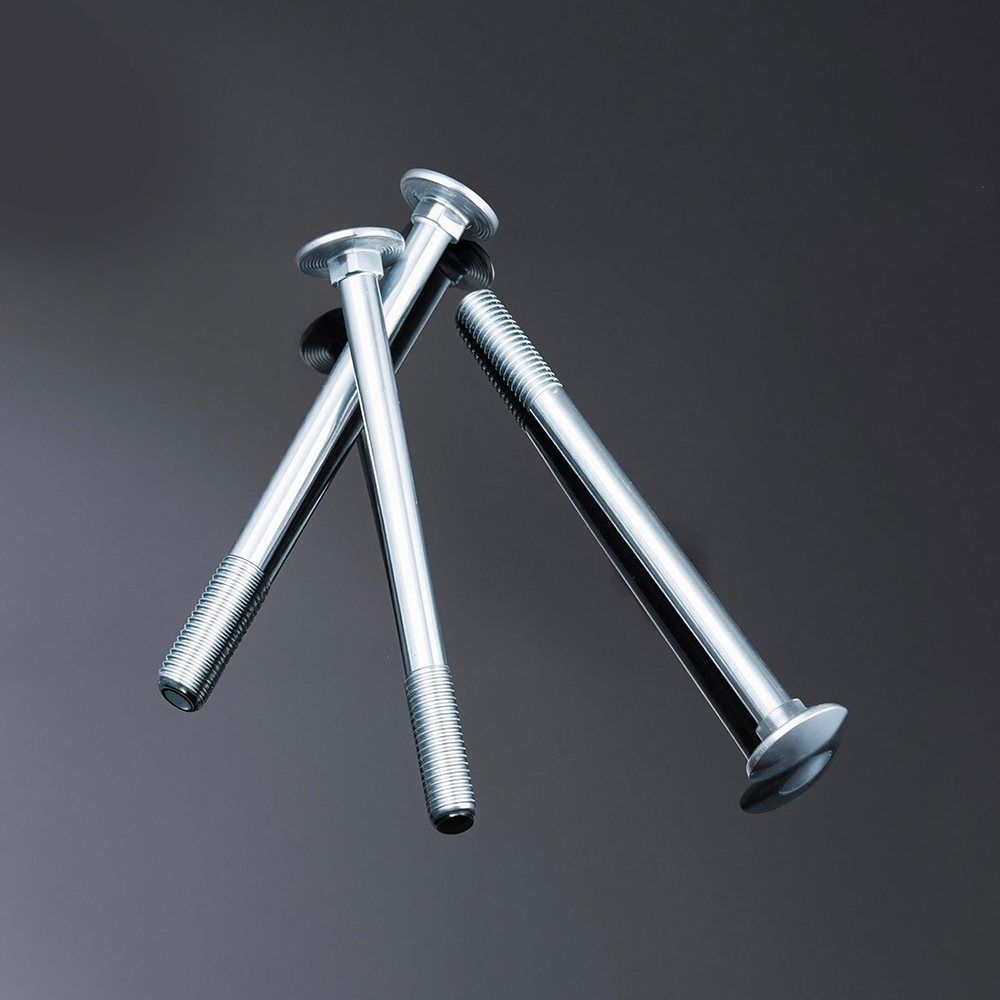
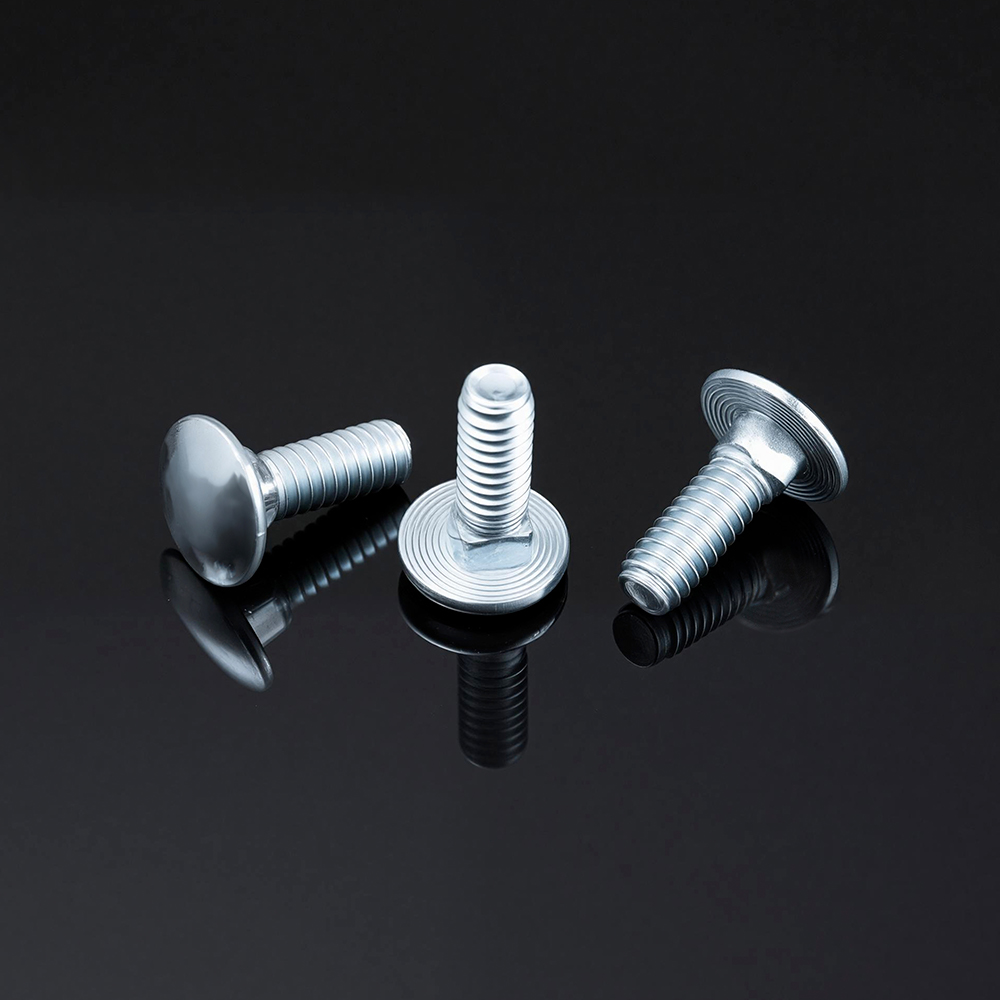
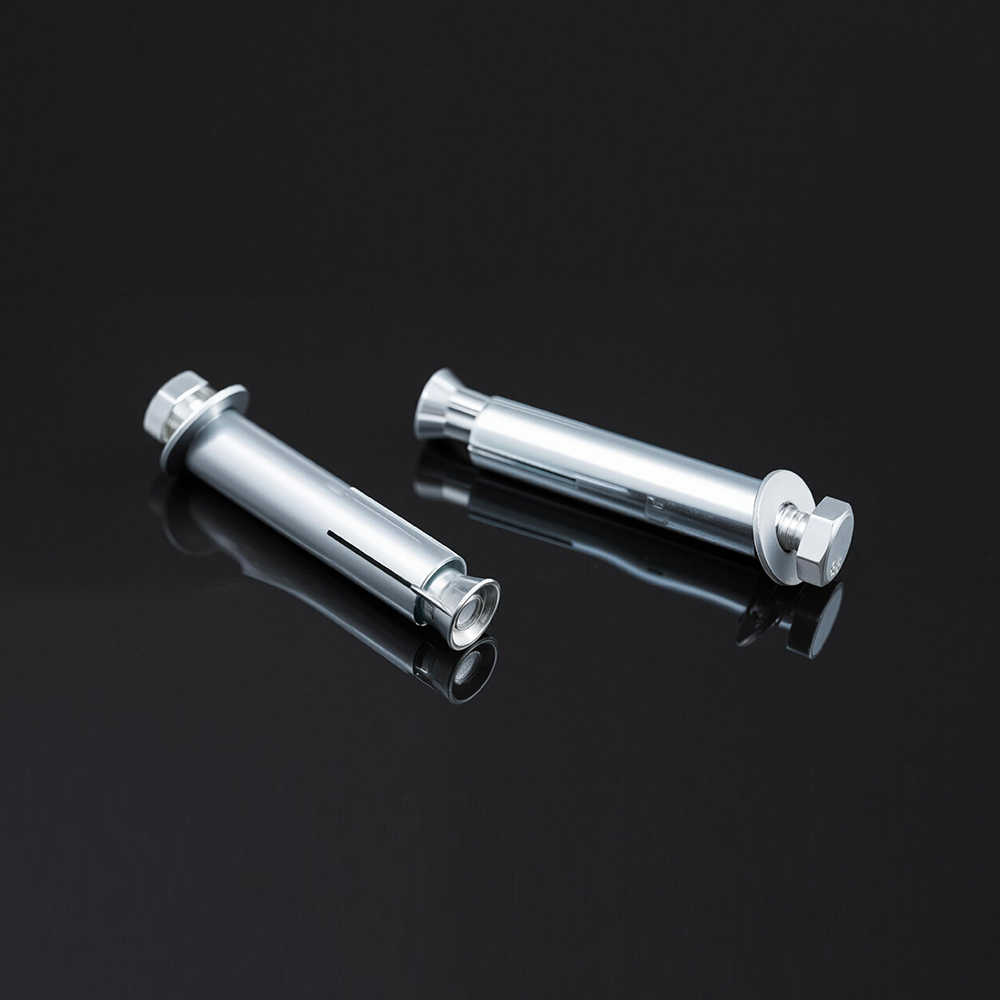
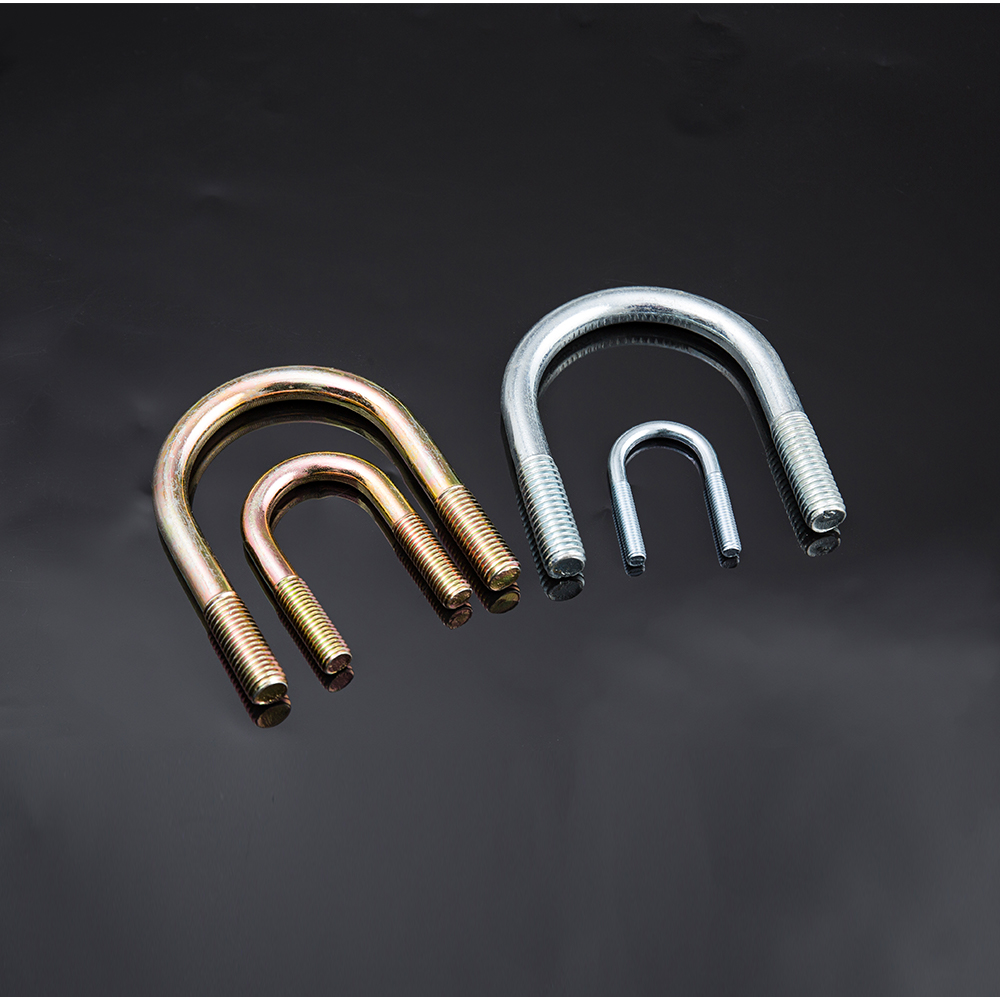




Preload Relaxation in UHV Transmission Tower Anchor Bolts: Krypa vs. Fretting slitage, och Dynamic Torque Monitoring for Early Warning
För en 30-årig livslängd står ankarbultar vid basen av UHV-transmissionstorn inför komplexa utmaningar. Studier har visat att vind- och islaster orsakar tvärgående cykliska krafter, vilket kan minska förspänningen och äventyra hela tornkonstruktionen. De primära orsakerna till förspänningsförlust är vanligtvis Creep (material stressavslappning) och Fretting slitage (mikrorörelse vid kontaktytor).
1. Jämförande analys av avslappningsmekanismer
Följande tabell jämför mekanismer, nyckelparametrar och förebyggande åtgärder för varje orsak till förspänningsförlust.
| Funktion | Krypa / Stressavslappning | Fretting slitage |
|---|---|---|
| Fysisk mekanism | Dislokationsrörelse i materialet över tid. Det omvandlar elastisk töjning till plastisk deformation. | Mikroskopisk glidning mellan gänga och lagerytor under cyklisk belastning, vilket leder till slitageskräp och geometriförändringar. |
| Typiskt förlustbidrag | Initial avslappning på 5-10 % är vanligt, även om upp till 25 % har observerats. | En dominerande faktor i dynamiska miljöer, accelererar när friktionen är hög och smörjningen är dålig. |
| Tidsberoende | Ett snabbt initialt fall (fas 1) följt av en mycket långsam, stadig nedgång där stress relaterar till tidsloggen (fas 2). | Kumulativ skada; förspänningen minskar långsamt initialt, men när en tröskel har nåtts roterar bulten eller muttern, vilket orsakar snabb förspänningsförlust. |
| Påverkande faktorer | Initial förspänningsnivå (högre förspänning kan minska andelen förlust över tiden) och temperatur. | Vibrationsamplitud och frekvens, friktionskoefficient (högre friktion kan ibland minska mikroslip) och ytbeläggning. |
| Förebyggande strategier | Återdragning efter den inledande "insättningsperioden" för att kompensera för tidig avslappning. | Ökad förspänning för att minska den relativa glidningen, med hjälp av högkvalitativa ytbehandlingar för att bibehålla en stabil friktionskoefficient. |
2. Implementera dynamisk vridmomentövervakning för tidig varning
Effektiv dynamisk vridmomentövervakning är nyckeln till att identifiera problem innan de orsakar fel. Genom att spåra vridmomenttrenden kan man upptäcka ett "försämrat" tillstånd. Ett ökande vridmoment i en kritisk fog kan signalera gängskador eller korrosion, medan en minskande trend är en direkt indikator på avslappning, som kräver omedelbar uppmärksamhet.
- Smarta bultsystem: Moderna lösningar, som patent för transmissionstornbultar, använder informationsinsamlingsmoduler för att överföra trycksignaler trådlöst, vilket möjliggör dynamisk onlinedataanalys och generering av historiska kurvor.
- Digital Twin & AI: Avancerad teknik använder finita element och djupinlärning för att kartlägga vridmoment till stress. Detta identifierar fellägen med 99 % noggrannhet och, ännu viktigare, ger tidiga varningar om förestående överbelastningar genom att visa stresstrenden vid kritiska punkter.
- Förlängningsmätning: Övervakning av bultsträckning är ett mycket exakt sätt att säkerställa korrekt förspänning. Indikatorutrustade bultar är förkalibrerade och övervakningssträckning möjliggör direkt mätning av klämkraften.
3. Praktisk vägledning ur ett tillverknings- och leveransperspektiv
Erfarenhet från verkligheten visar att bultförspänningen växlar mellan att stiga och falla under cyklisk belastning. Gängkontaktytor går in i ett slirläge före bulthuvudet, och även om vibrationsfrekvensen har liten effekt, spelar friktion, vridmoment och amplitud alla viktiga roller. Detta kräver en leveranskedja med hög precision.
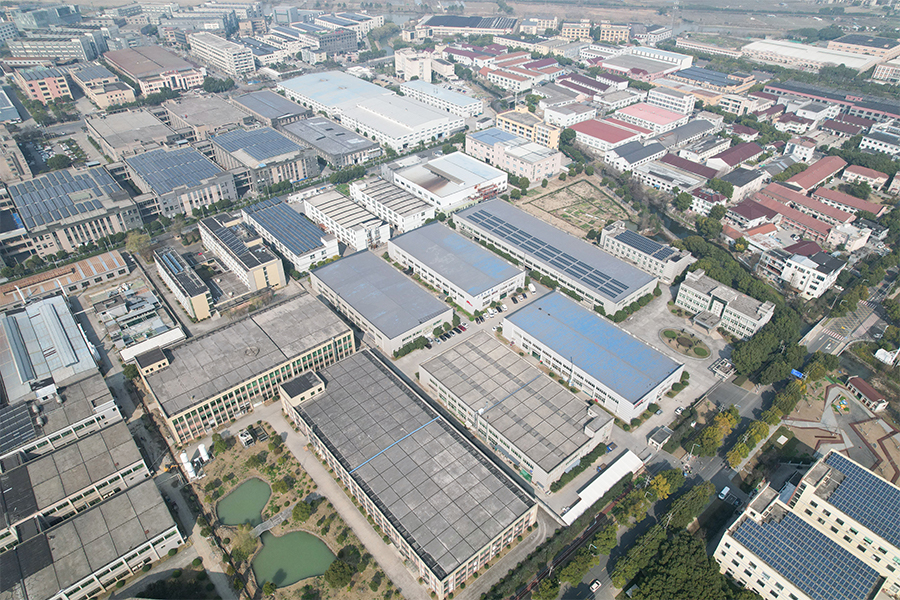
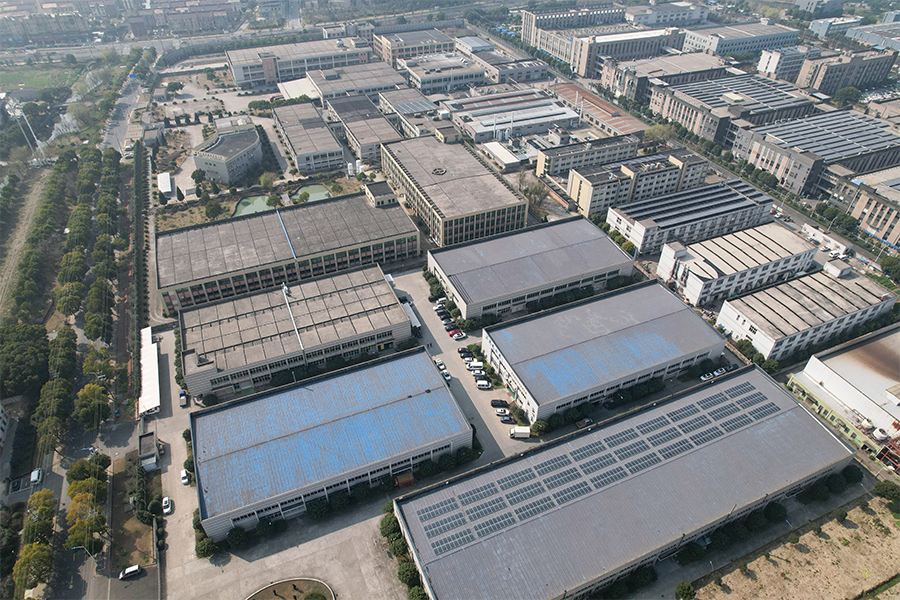
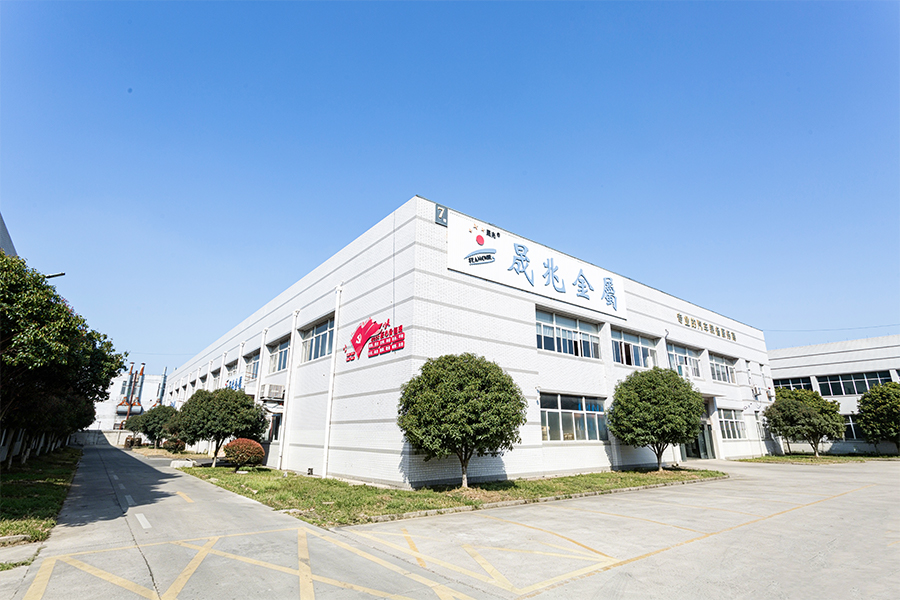
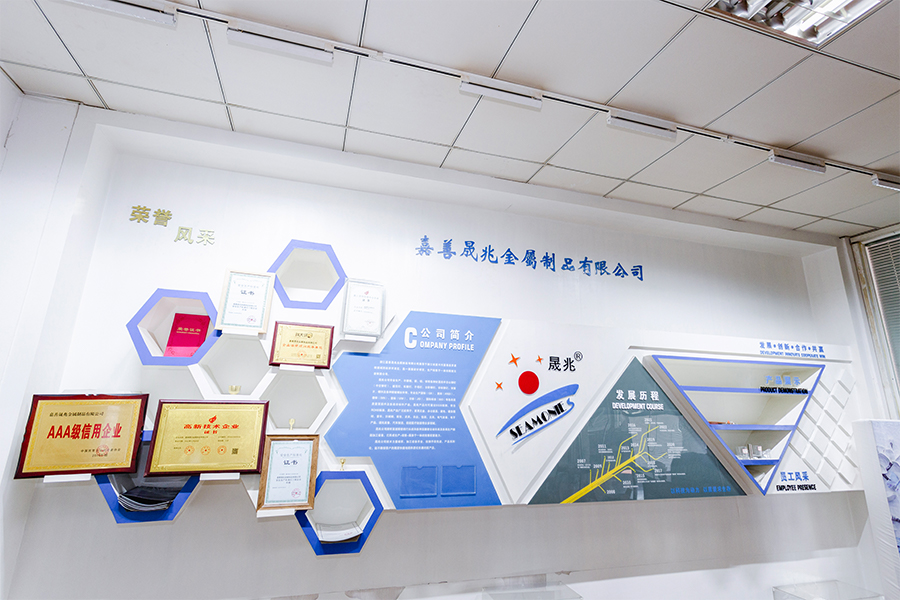
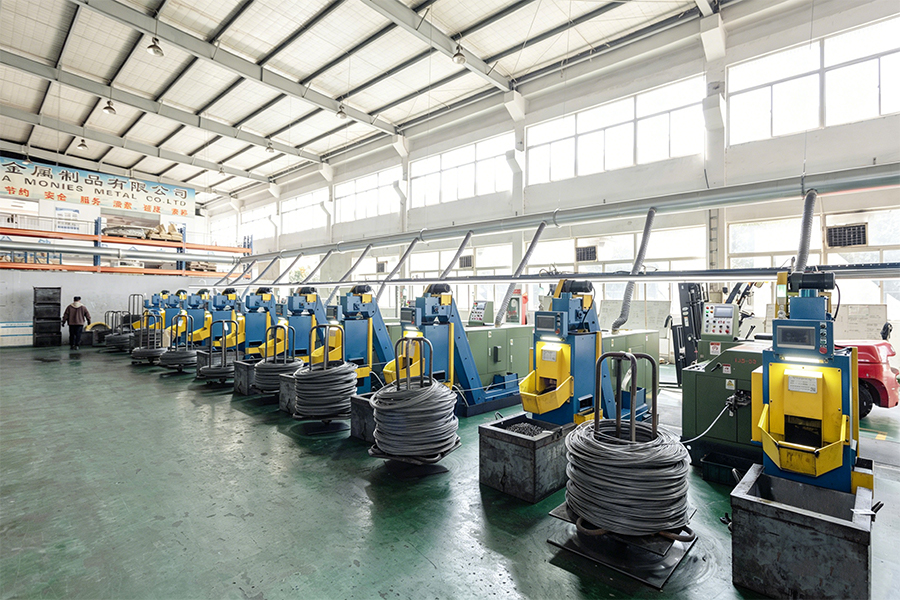
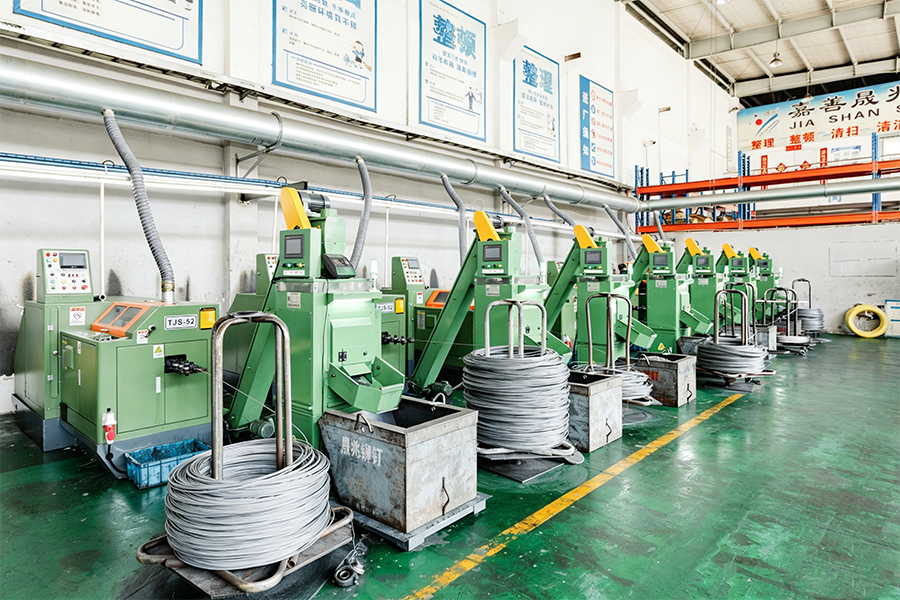
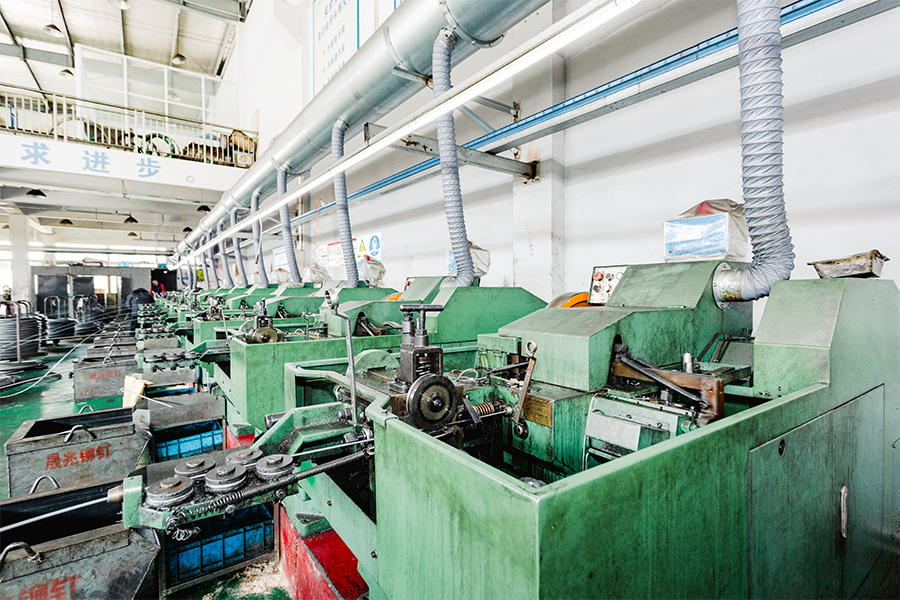
Zhejiang Chance & Union Import and Export Co., Ltd. (Chance & Union) är ett familjeägt företag under SEA Monies Metal Co., Ltd., som ärver 20 års familjerfarenhet och kvalitetsarv inom metalltillverkning. Med Shengzhao Metals starka produktionskapacitet och fördelar i leveranskedjan är vi specialiserade på FoU, produktion och global försäljning av högkvalitativa metallprodukter. Genom att hålla fast vid familjens strävan efter precision, rigorös arbetsattityd och långsiktigt engagemang, levererar vi stabila och pålitliga produkter och tjänster till kunder över hela världen.
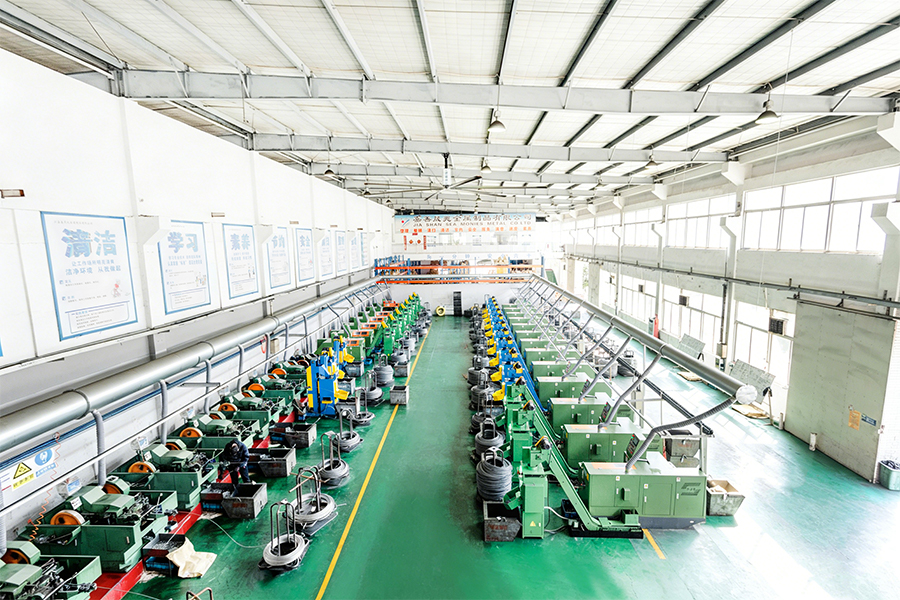
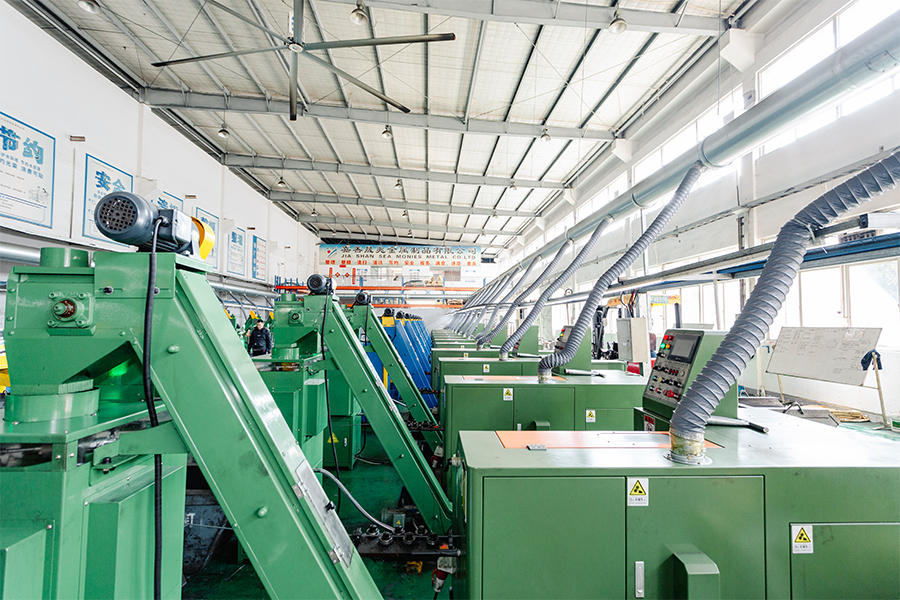
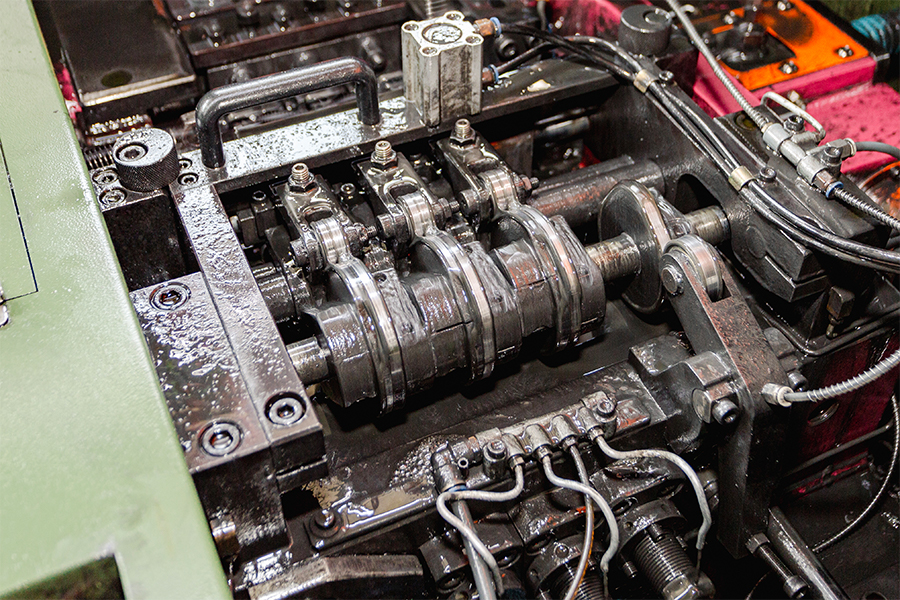
Genom att utnyttja fabrikens robusta FoU- och produktionskapacitet är vi specialiserade på höghållfasta nitar, bultar, muttrar, brickor, stift, skruvar och olika specialanpassade delar som inte är standard. Vårt produktsortiment omfattar material inklusive rostfritt stål, legerat stål, aluminiumlegering, koppar och speciallegeringar, med hjälp av processer som kallskärning, varmsmidning och CNC-bearbetning. Våra produkter exporteras till över 25 länder och betjänar mer än 200 kunder.
Chance & Union har åtagit sig att sömlöst koppla samman "Tillverkad i Kina" med den internationella marknaden, förse globala kunder med en-stop-fästlösningar från FoU till massproduktion genom professionell teknik och exceptionell kvalitet.
4. Vanliga frågor (FAQ)
- F1: Vad är huvudorsaken till förbelastningsavslappning i UHV tornbultar ?
A: Medan krypa and slitage är båda bidragsgivare, i dynamiska miljöer som transmissionstorn tenderar tvärgående belastningar att framkalla slitage på gängans kontaktyta. Detta minskar friktionskraften tills ett tröskelvärde uppnås, vilket leder till en snabb förlust av förspänning. Zhejiang Chance & Union Import and Export Co., Ltd. (Chance & Union) kan analysera dina specifika belastningsförhållanden för att rekommendera det optimala materialet och ytbehandlingen för att mildra dessa effekter. - F2: Hur kan jag övervaka förladdning utan dyra sensorer?
S: En praktisk metod är att övervaka bultens förlängning. Särskilda momentnycklar kan indikera sträckning, och vissa bultar finns tillgängliga med inbyggda indikatorer eller enheter av spinntyp för att visa när rätt förspänning uppnås. Zhejiang Chance & Union Import and Export Co., Ltd. (Chance & Union) kan leverera högkvalitativa fästelement med exakta tillverkningstoleranser, vilket är en förutsättning för effektiviteten hos dessa enklare övervakningsmetoder. - F3: Vilket är det bästa försvaret mot förladdningsförlust?
S: Att öka den initiala förbelastningen är i allmänhet den mest effektiva metoden. Studier visar att applicering av en högre förspänning (upp till materialets sträckgräns) förbättrar utmattningslivslängden och minskar graden av stressavslappning över tiden. Detta måste dock göras korrekt. Zhejiang Chance & Union Import and Export Co., Ltd. (Chance & Union) tillhandahåller ett brett utbud av höghållfasta bultar som möjliggör säker, högre förspänningsapplikation, vilket säkerställer att dina kritiska leder förblir säkra under hela livslängden.
Grad 8.8 vs. grad 10.9 höghållfasta kolstålbultar: balanserar draghållfasthetsvinster mot fördröjd frakturkänslighet
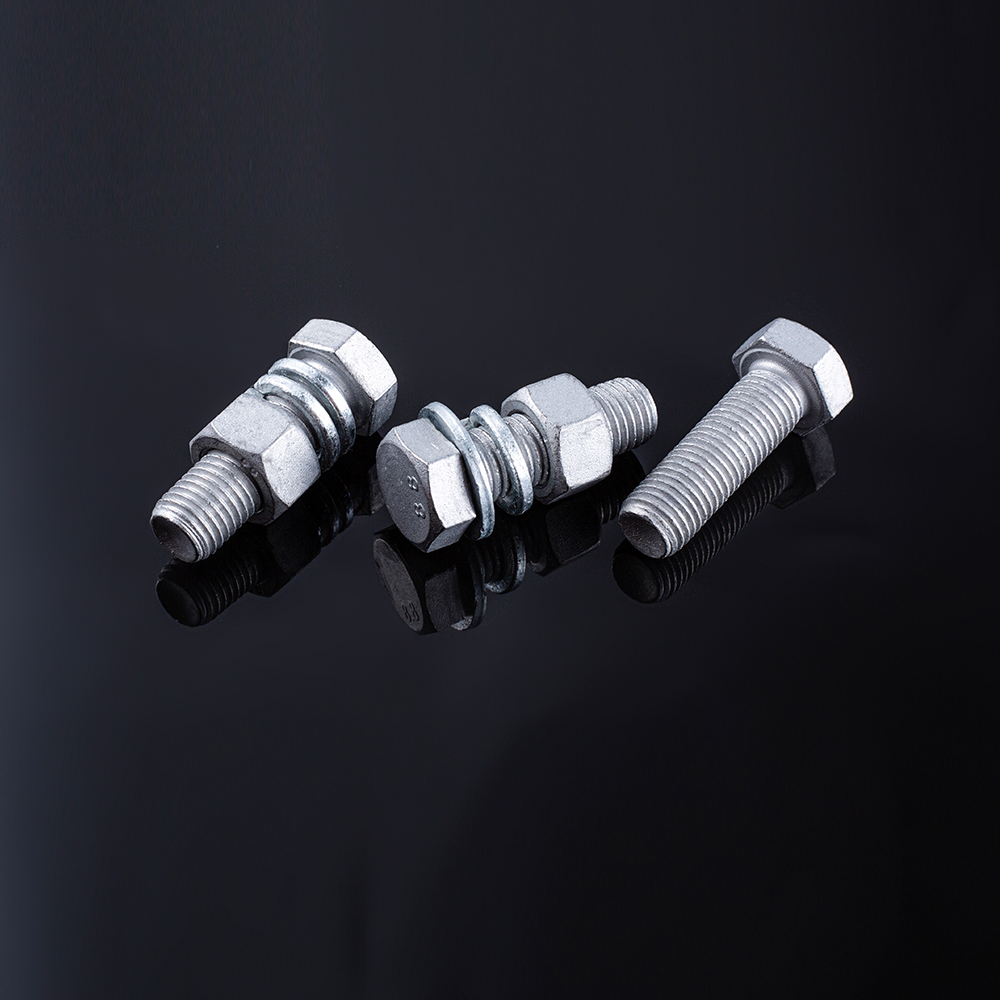
Valet mellan Fastighetsklass 8,8 och 10,9 höghållfast kolstål bultar representerar ett av de mest kritiska ingenjörsbesluten inom tunga maskiner, konstruktion och fordonstillämpningar. Medan den högre draghållfastheten hos Grade 10.9 erbjuder överlägsen bärförmåga, ökar den samtidigt risken för fördröjd brott – ett katastrofalt felläge som drivs av väteförsprödning (HE) och spänningskorrosionssprickor (SCC). Den här artikeln ger ett omfattande ramverk för att navigera i denna inneboende kompromiss.
1. Jämförelse av mekaniska egenskaper: Betyg 8,8 vs. Betyg 10,9
Följande tabell presenterar de viktigaste mekaniska parametrarna som definieras av ISO 898-1 och ASTM A325/A490 standarder för båda fastighetsklasserna.
| Egenskapsparameter | Klass 8.8 (medium-kolstål) | Klass 10.9 (legerat stål) |
|---|---|---|
| Nominell draghållfasthet (Rm) | 800 MPa (min.) | 1 000 MPa (min.) |
| Avkastningsstyrka (Rp0,2) | 640 MPa (min.) | 900 MPa (min.) |
| Hårdhetsområde (HRC) | 22 – 32 | 32 – 39 |
| Förlängning vid fraktur (A5) | ≥ 12 % | ≥ 9 % |
| Minskning av area (Z) | ≥ 52 % | ≥ 48 % |
| Stresskoncentrationskänslighet | Måttlig | Hög (på grund av högre hårdhet) |
| Risk för väteförsprödning (HE). | Låg till måttlig | Betydligt högre |
| Typiska applikationer | Allmänna maskiner, bilchassier, konstruktionsstålkopplingar | Motorvevstakar, högtrycksflänsar, vindkraftverks huvudaxlar |
2. Den grundläggande konflikten: styrka vs. duktilitet & HE-mottaglighet
Kärnmotsättningen härrör från metallurgiska principer. När draghållfastheten ökar genom legering och värmebehandling (härdning och härdning) blir materialets mikrostruktur hårdare men mindre seg. Denna transformation skapar tre kritiska sårbarheter:
- Risk för väteförsprödning (HE): Stål med högre hållfasthet är exponentiellt känsligare för atomärt väte. Vid 1 000 MPa draghållfasthet sjunker den kritiska vätekoncentrationen som krävs för att utlösa fördröjd brott med en faktor 5 jämfört med 800 MPa material. Det är därför Grad 10.9-bultar är betydligt mer benägna att gå sönder när de utsätts för sura miljöer, våta monteringsförhållanden eller vätegenererande beläggningsprocesser.
- Mottaglighet för spänningskorrosion (SCC): De högre restspänningarna i fästelement av grad 10.9, tillsammans med deras härdade mikrostruktur, gör dem sårbara för SCC i kloridhaltiga eller till och med lätt fuktiga miljöer – ett felläge som kan uppstå dagar eller månader efter installationen utan extern varning.
- Minskad plastisk deformationsförmåga: Med förlängning vid brott som faller från ≥12 % till ≥9 %, har Grade 10.9 bultar mindre kapacitet att absorbera överbelastningar eller kompensera för ledavslappning genom plastisk omfördelning, vilket tvingar konstruktörer att förlita sig mer på exakt förspänningskontroll.
3. Beslutsram för urval
För att navigera i denna avvägning måste ingenjörer utvärdera följande kriterier i sekvens:
- Belastningskrav: Om den beräknade erforderliga förspänningen (Fv) överstiger 85 % av grad 8.8:s sträckgräns, blir grad 10.9 nödvändig. Men om Grad 8.8 säkert kan leverera klämkraften med en säkerhetsmarginal, är den lägre HE-risken starkt att föredra.
- Miljöexponering: För utomhus-, marin- eller kemiskt aggressiva atmosfärer ger Grade 8.8 med skyddande beläggningar (Zn-Ni, Dacromet) ofta en mer tillförlitlig livslängd än Grade 10.9, som kräver specialiserade väte-reducerande beläggningsprocesser (lågvätehaltig bakning efter galvanisering).
- In-service laddningstyp: För övervägande statiska laster erbjuder Grade 10.9 tydliga fördelar. För dynamiska, stötar eller cykliska belastningar ger den högre duktiliteten av Grade 8.8 överlägsen utmattningsmotstånd, vilket uppväger dess lägre absoluta styrka.
- Underhåll och inspektion: Grade 8.8 tillåter mer förlåtande återdragningsintervall, medan Grade 10.9 kräver exakt vridmomentvinkelkontroll och rekommenderas inte för återanvändning av bultar på grund av plastisk deformationsrisk.
4. Praktisk vägledning ur ett tillverknings- och leveransperspektiv
Att mildra den fördröjda frakturrisken i bultar av grad 10.9 hänger på tre pelare: materialrenhet, kontrollerad värmebehandling och avancerat ytskydd. Zhejiang Chance & Union Import and Export Co., Ltd. (Chance & Union) är ett familjeägt företag under SEA Monies Metal Co., Ltd., som ärver 20 års familjerfarenhet och kvalitetsarv inom metalltillverkning. Med Shengzhao Metals starka produktionskapacitet och fördelar i leveranskedjan är vi specialiserade på FoU, produktion och global försäljning av högkvalitativa metallprodukter. Genom att hålla fast vid familjens strävan efter precision, rigorös arbetsattityd och långsiktigt engagemang, levererar vi stabila och pålitliga produkter och tjänster till kunder över hela världen.
Genom att utnyttja fabrikens robusta FoU- och produktionskapacitet är vi specialiserade på höghållfasta nitar, bultar, muttrar, brickor, stift, skruvar och olika specialanpassade delar som inte är standard. Vårt produktsortiment omfattar material inklusive rostfritt stål, legerat stål, aluminiumlegering, koppar och speciallegeringar, med hjälp av processer som kallskärning, varmsmidning och CNC-bearbetning. Våra produkter exporteras till över 25 länder och betjänar mer än 200 kunder.
Chance & Union har åtagit sig att sömlöst koppla samman "Tillverkad i Kina" med den internationella marknaden, förse globala kunder med en-stop-fästlösningar från FoU till massproduktion genom professionell teknik och exceptionell kvalitet. For clients selecting Grade 10.9 bolts, we strictly implement hydrogen baking processes (<180°C for 8 hours post-plating) and provide full process traceability to minimize HE risks.
5. Vanliga frågor (FAQ)
- F1: Är det säkert att ersätta en grad 10.9 bult med en grad 8.8 bult i en befintlig montering?
A: Inte utan omkonstruktion. Medan Grade 10.9 har högre draghållfasthet, har den lägre duktilitet och är mer känslig för spänningskoncentrationer. Substitution utan att omkalibrera förspänningsmomentet (som måste ökas) och verifiera fogens förmåga att hantera minskad plastisk deformation kan leda till för tidigt brott. Zhejiang Chance & Union Import and Export Co., Ltd. (Chance & Union) rekommenderar att du konsulterar vårt ingenjörsteam för att validera alla betygsersättningar för din specifika applikation. - F2: Hur kan jag upptäcka fördröjd frakturrisk i grad 10.9-bultar under inkommande inspektion?
A: Medan delayed fracture cannot be detected by visual inspection, risk indicators include (1) hardness exceeding HRC 39 (indicates overtempering), (2) surface cracks detected by magnetic particle inspection (MPI), and (3) non-conformance to reduction of area (Z) requirements. Zhejiang Chance & Union Import and Export Co., Ltd. (Chance & Union) tillhandahåller fullständiga fabrikstestcertifikat (MTC) och tredjepartsinspektionsrapporter, inklusive MPI och hårdhetstestning, för att säkerställa överensstämmelse på batchnivå. - F3: Vilken beläggning är mest lämplig för Grade 10.9-bultar för att minimera väteförsprödning?
S: Mekanisk zinkplätering och Dacromet/Delacote-beläggningar föredras framför traditionell galvanisering eftersom de eliminerar eller avsevärt minskar väteabsorptionen. Om galvanisering krävs är omedelbar vätgasbakning (≥ 8 timmar vid 190-200°C) obligatorisk. Zhejiang Chance & Union Import and Export Co., Ltd. (Chance & Union) erbjuder flera beläggningsalternativ och övervakar strikt gräddningsparametrar för att säkerställa att bultar av klass 10.9 uppfyller ASTM F1941 väteförsprödningsreducerande krav.





