








Vilka material är bäst för tillverkning av icke-standardskruvar?
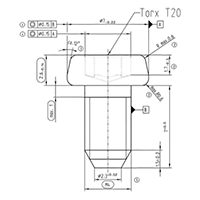
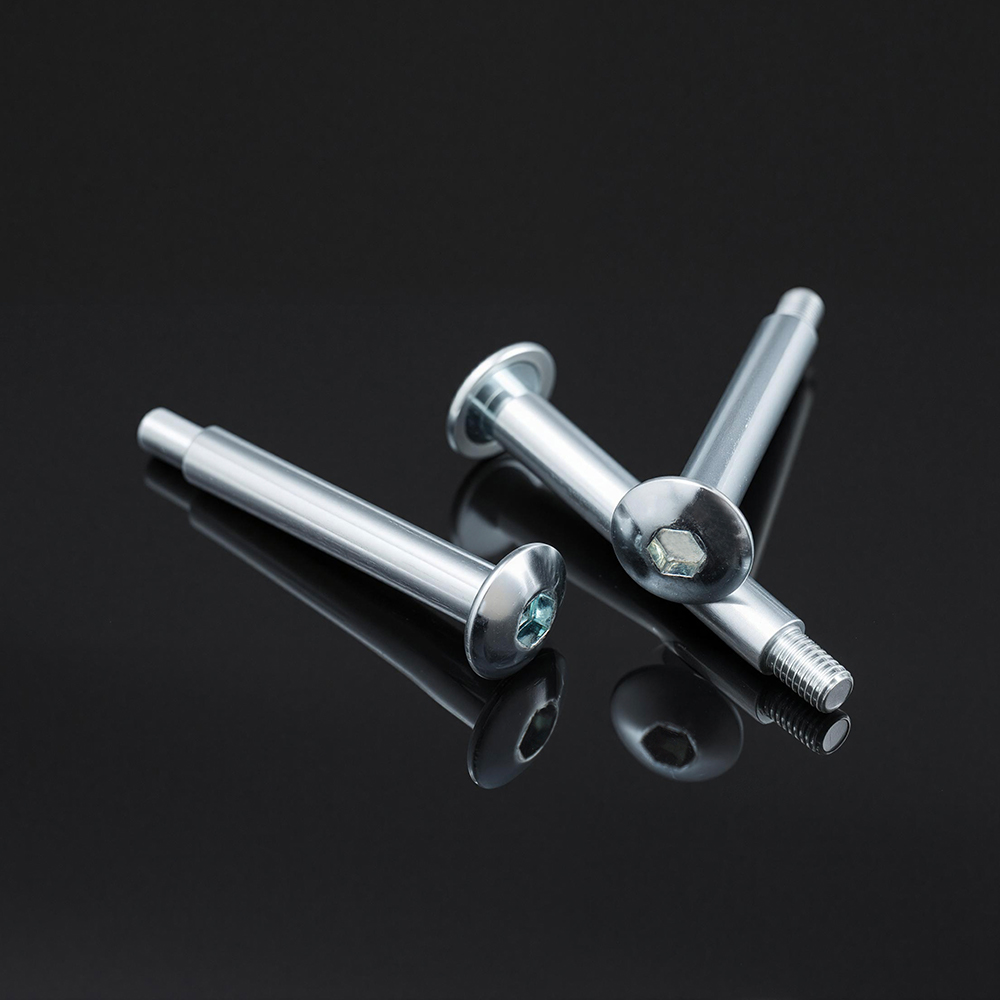
När industrier fortsätter att efterfråga specialiserade fästlösningar har icke-standardiserade skruvar blivit allt viktigare inom fordonsindustrin, elektronik, maskiner, konstruktion, medicinsk utrustning, förnybar energi och industriell automation. Till skillnad från standardfästen tillverkade enligt vanliga specifikationer, anpassade icke-standardskruvar är designade för att möta unika dimensionskrav, komplexa installationsmiljöer och krävande mekaniska prestandastandarder.
Materialval är en av de mest kritiska faktorerna som påverkar den övergripande kvaliteten på skruvar som inte är standard. Rätt material avgör inte bara mekanisk styrka utan påverkar också korrosionsbeständighet, bearbetningsprestanda, utmattningslivslängd, temperaturtolerans och långsiktig tillförlitlighet. Att välja ett olämpligt material kan leda till för tidigt slitage, lossning, korrosion eller komponentfel.
Den här artikeln förklarar egenskaperna hos de mest använda materialen för tillverkning av icke-standardiserade skruvar, jämför deras fördelar och diskuterar hur tillverkare väljer lämpliga material enligt applikationskrav.
Varför är materialval viktigt för icke-standardskruvar?
Till skillnad från konventionella skruvar tillverkade i fasta dimensioner, har anpassade icke-standardskruvar ofta unika huvuddesigner, speciella gängformer, anpassade längder, precisionstoleranser eller applikationsspecifika beläggningar. Dessa skräddarsydda funktioner kräver material som kan bibehålla dimensionsstabilitet under hela tillverkningen och livslängden.
Ett lämpligt material hjälper tillverkare att uppnå:
- Högre mekanisk hållfasthet
- Bättre utmattningsmotstånd
- Förbättrat korrosionsskydd
- Utmärkt bearbetningsnoggrannhet
- Stabil prestanda under vibrationer
- Längre livslängd
- Pålitlig infästning i tuffa miljöer
Eftersom varje applikation uppvisar olika driftsförhållanden finns det inget "bästa" material för varje icke-standardskruv. Istället beror det optimala valet på att balansera prestandakrav med tillverkningsmöjlighet.
Huvudfaktorer som påverkar materialval
Innan man väljer ett material utvärderar ingenjörer vanligtvis flera nyckelfaktorer.
| Urvalsfaktor | Betydelse | Typiska överväganden |
|---|---|---|
| Mekanisk styrka | Stöder strukturella belastningar | Draghållfasthet, sträckgräns |
| Korrosionsbeständighet | Förhindrar rost och oxidation | Utomhus, marina, kemiska miljöer |
| Temperaturbeständighet | Bibehåller prestanda under värme eller kyla | Industriell utrustning, motorer |
| Vikt | Minskar komponentmassa | Flyg, elektronik |
| Bearbetningsbarhet | Förbättrar tillverkningsprecisionen | CNC-bearbetning, gängformning |
| Kostnadseffektivitet | Kontrollerar produktionskostnader | Materialtillgänglighet, bearbetningskostnad |
| Kompatibilitet med ytfinish | Förbättrar hållbarheten | Plätering, beläggning, passivering |
Dessa överväganden påverkar direkt den långsiktiga tillförlitligheten av icke-standardiserade skruvar i praktiska tillämpningar.
Rostfritt stål: det mest mångsidiga materialet
Rostfritt stål är fortfarande ett av de mest använda materialen för tillverkning av icke-standardiserade skruvar eftersom det erbjuder en utmärkt balans mellan korrosionsbeständighet, styrka, utseende och hållbarhet.
Vanliga betyg inkluderar:
- 304 rostfritt stål
- 316 rostfritt stål
- 410 rostfritt stål
Fördelar
- Utmärkt korrosionsbeständighet
- Attraktiv ytfinish
- Lång livslängd
- Minimalt underhåll
- Bra mekanisk prestanda
- Lämplig för precisionsbearbetning
Typiska applikationer
- Utrustning för livsmedelsbearbetning
- Medicinsk utrustning
- Marin utrustning
- Utomhusinstallationer
- Elektroniska produkter
- Arkitektonisk hårdvara
Bland dessa kvaliteter fungerar 316 rostfritt stål särskilt bra i miljöer som utsätts för saltvatten eller aggressiva kemikalier.
Legerat stål: Hög hållfasthet för tunga laster
När exceptionell mekanisk hållfasthet krävs, blir legerat stål det föredragna materialet för anpassade icke-standardskruvar.
Efter värmebehandling ger legerat stål:
- Hög draghållfasthet
- Utmärkt slitstyrka
- Överlägsen utmattningsmotstånd
- Enastående effektprestanda
Eftersom legerat stål är känsligt för korrosion tillämpar tillverkare ofta skyddande ytbehandlingar som:
- Zinkplätering
- Svart oxid
- Geomet beläggning
- Dacromet beläggning
- Fosfatbeläggning
Vanliga applikationer
- Tungt maskineri
- Automotive sammansättningar
- Industriell utrustning
- Byggmaskiner
- Gruvutrustning
För högbelastningssystem erbjuder legerat stål ett av de bästa förhållandet mellan hållfasthet och kostnad.
Aluminiumlegering: lätt med bra korrosionsbeständighet
I industrier där det är viktigt att minska den totala vikten, ger aluminiumlegering betydande fördelar.
Fördelar
- Lättvikt
- Bra korrosionsbeständighet
- Utmärkt värmeledningsförmåga
- Enkel bearbetning
- Attraktivt utseende
Även om aluminiumskruvar inte är lika starka som stålfästen, är de idealiska när lättviktskonstruktioner har prioritet.
Typiska användningsområden
- Flyg- och rymdkomponenter
- Konsumentelektronik
- Kommunikationsutrustning
- Lättvikt machinery
- Elfordon
Deras naturliga oxidskikt förbättrar också motståndet mot atmosfärisk korrosion.
Koppar och mässing: Utmärkt ledningsförmåga och dekorativ prestanda
Kopparbaserade material väljs främst för sin elektriska och värmeledningsförmåga.
Fördelar
- Enastående elektrisk ledningsförmåga
- Utmärkt värmeledningsförmåga
- Bra korrosionsbeständighet
- Enkel bearbetning
- Attraktivt utseende på ytan
Ansökningar
- Elektrisk utrustning
- Elektroniska kontakter
- Precisionsinstrument
- Dekorativ hårdvara
- Elektriska jordsystem
Mässing ger också utmärkt bearbetbarhet samtidigt som god måttnoggrannhet bibehålls.
Speciallegeringar för extrema arbetsförhållanden
Vissa industriella miljöer kräver material utöver konventionella metaller.
Exempel inkluderar:
- Titanlegeringar
- Nickelbaserade legeringar
- Högtemperatur rostfritt stål
- Duplexa rostfria stål
Dessa material väljs när fästelement måste tåla:
- Extremt höga temperaturer
- Stark kemisk korrosion
- Högt tryck
- Marina miljöer
- Flyg- och rymdförhållanden
Även om dessa legeringar innebär högre tillverkningskostnader, ger de enastående långsiktig tillförlitlighet under krävande serviceförhållanden.
Materialjämförelse
| Material | Styrka | Korrosionsbeständighet | Vikt | Maskinbearbetning | Typiska applikationer |
|---|---|---|---|---|---|
| Rostfritt stål | Hög | Utmärkt | Medium | Utmärkt | Medicin, mat, marin |
| Legerat stål | Mycket hög | Måttlig (med beläggning) | Medium | Bra | Tungt maskineri, automotive |
| Aluminiumlegering | Medium | Bra | Mycket lätt | Utmärkt | Elektronik, flyg |
| Koppar/mässing | Medium | Bra | Medium | Utmärkt | Elektrisk utrustning |
| Speciallegeringar | Mycket hög | Enastående | Varierar | Måttlig | Flyg-, kemisk industri |
Tillverkningsprocesser påverkar också materialval
Det valda materialet måste också matcha den avsedda tillverkningsprocessen. Olika material uppvisar olika formningsegenskaper.
Vanliga produktionsmetoder inkluderar:
| Tillverkningsprocess | Lämpliga material | Fördelar |
|---|---|---|
| Kall rubrik | Rostfritt stål, legerat stål, kolstål | Hög efficiency, consistent quality |
| Varmsmide | Legerat stål, speciallegeringar | Lämplig för stora och höghållfasta delar |
| CNC-bearbetning | Rostfritt stål, aluminium, mässing, titan | Hög precision and complex geometries |
| Trådrullning | Stål, rostfritt stål | Förbättrad trådstyrka och ytfinish |
Korrekt koordination mellan materialval och tillverkningsteknik hjälper till att säkerställa dimensionell överensstämmelse och pålitlig produktprestanda.
Ytbehandlingar kompletterar materialprestanda
Materialegenskaper kan förbättras ytterligare genom lämpliga ytbehandlingsprocesser.
Vanliga behandlingar inkluderar:
- Zinkplätering
- Nickelplätering
- Kromplätering
- Svart oxid
- Passivering
- Anodisering
- PTFE-beläggning
Dessa behandlingar förbättrar:
- Korrosionsbeständighet
- Slitstyrka
- Ytans hårdhet
- Utseende
- Livslängd
Även högkvalitativa icke-standardskruvar drar nytta av lämpligt ytskydd vid arbete i krävande miljöer.
Hur materialval stödjer anpassad utveckling av fästelement
I takt med att industriell utrustning blir allt mer specialiserad, går tillverkare bort från universella fästlösningar mot anpassade icke-standardskruvar designade för specifika applikationer.
Materialvalet påverkar direkt:
- Trådens noggrannhet
- Monteringssäkerhet
- Strukturell säkerhet
- Produktens livslängd
- Tillverkningseffektivitet
- Underhållskostnader för livscykeln
Av denna anledning utvärderar erfarna tillverkare materialegenskaper tillsammans med produktgeometri, produktionsmetoder och servicemiljöer under designstadiet.
Precisionstillverkningsförmåga bakom pålitliga icke-standardskruvar
Pålitligt materialval är bara en del av att producera högkvalitativa skruvar som inte är standard. Lika viktigt är ingenjörsexpertis, tillverkningsteknik och kvalitetsstyrning genom hela produktionsprocessen.
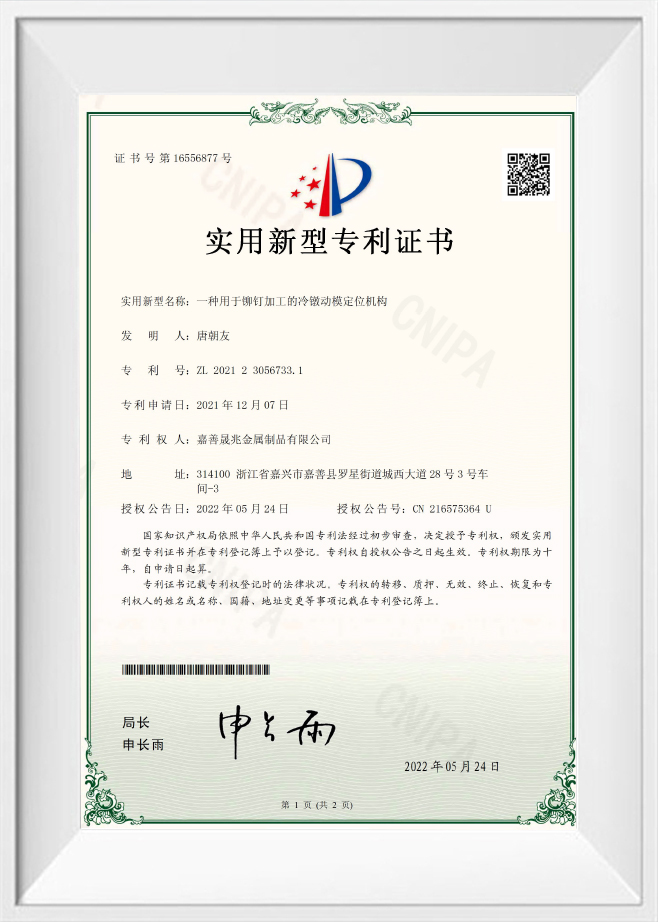
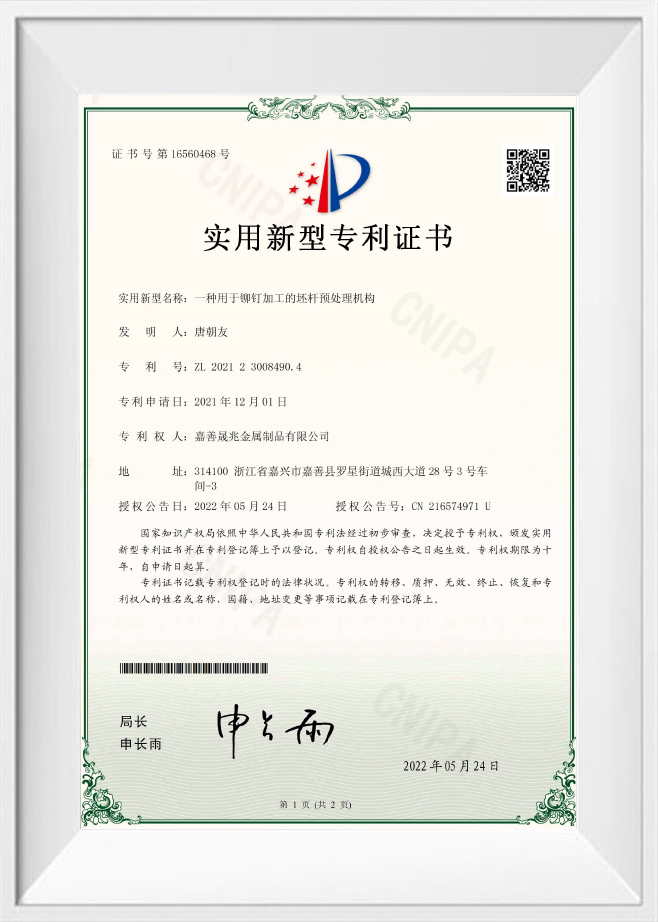
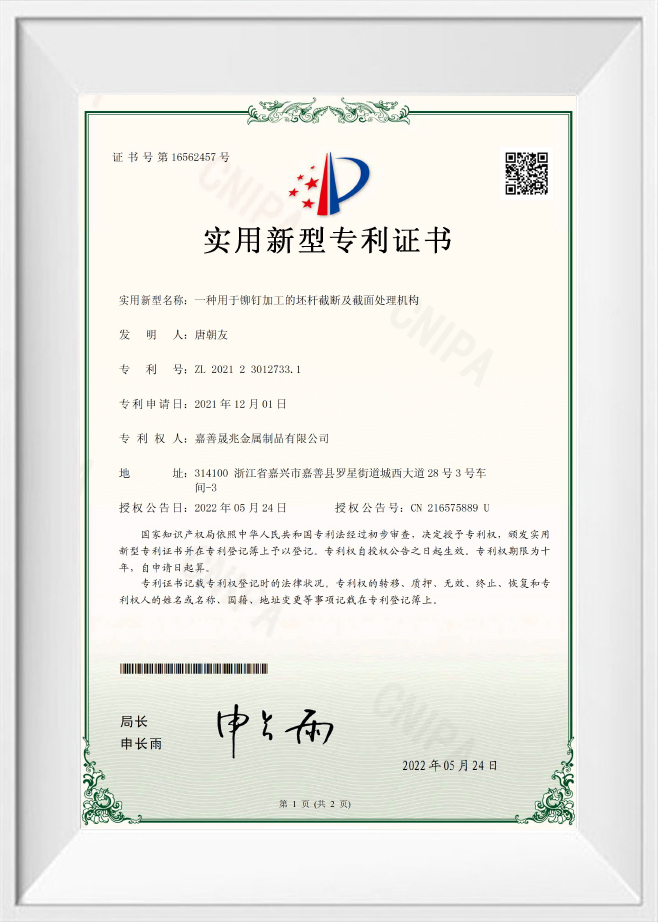
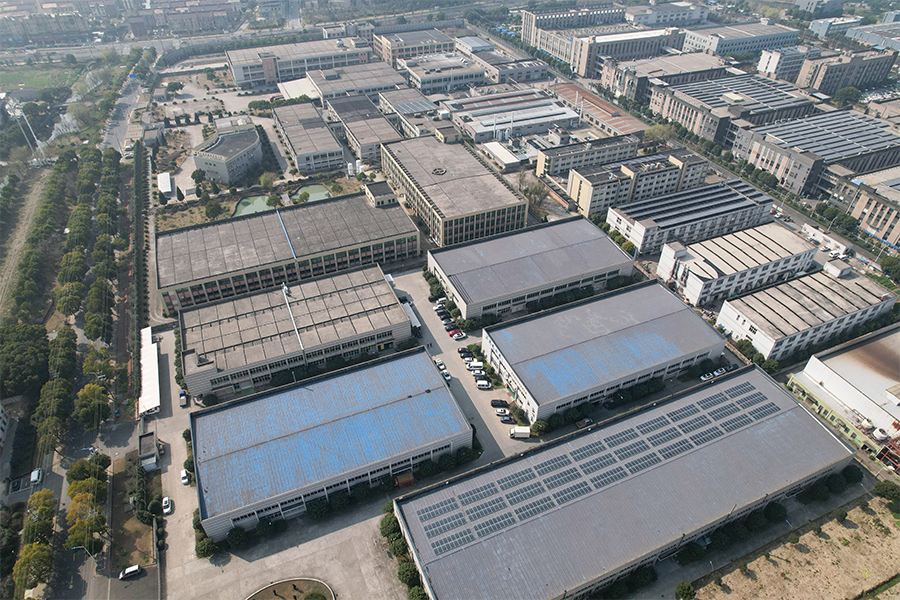
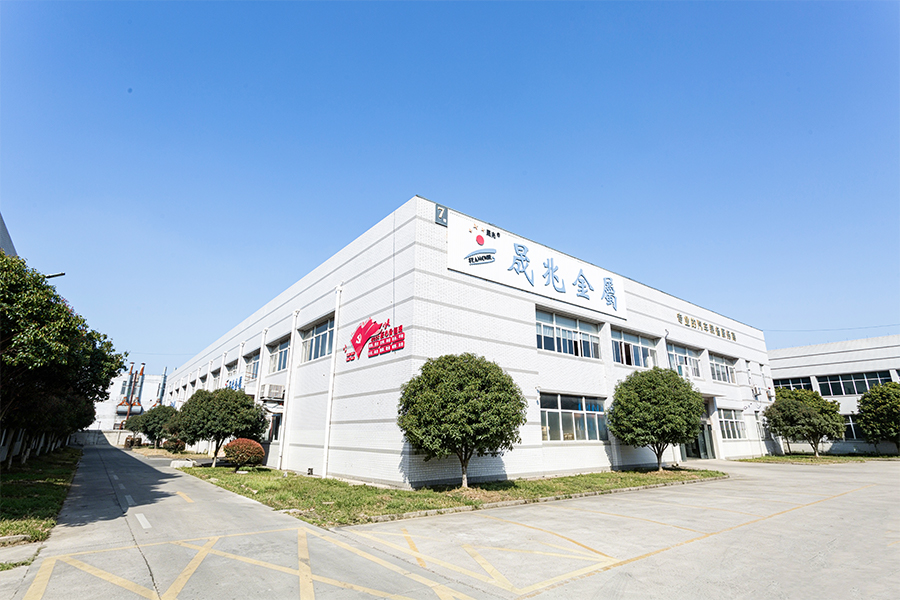
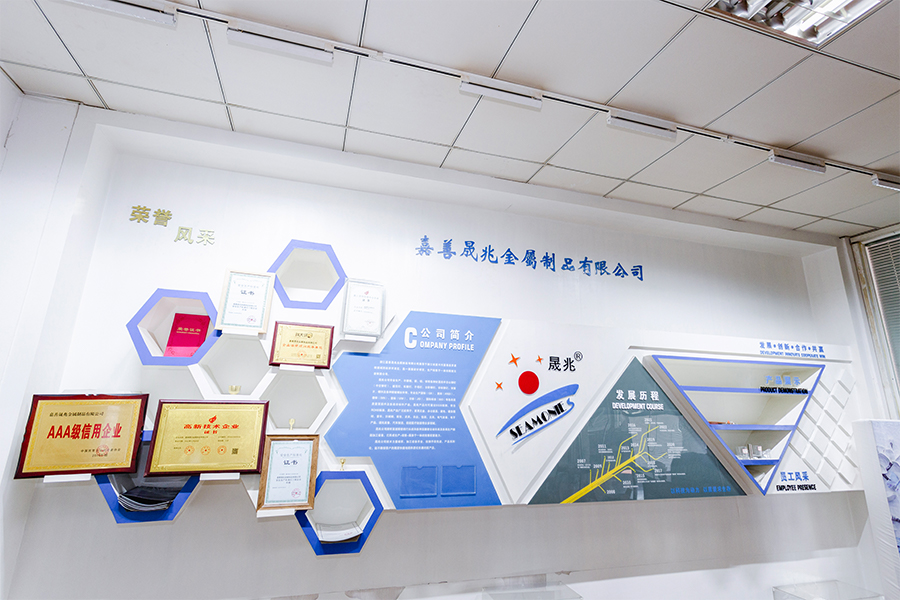
Zhejiang Chance & Union Import and Export Co., Ltd. är ett familjeägt företag under SEA Monies Metal Co., Ltd., som ärver nästan 20 års familjerfarenhet och kvalitetsarv inom metalltillverkning. Med stöd av Shengzhao Metals starka tillverkningsresurser och integrerade försörjningskedja fokuserar företaget på forskning, produktion och globalt utbud av högkvalitativa fästlösningar samtidigt som det upprätthåller ett långsiktigt engagemang för precision och produktkonsistens.
Med hjälp av avancerad ingenjörskapacitet är företaget specialiserat på tillverkning av höghållfasta nitar, bultar, muttrar, brickor, stift, icke-standardiserade skruvar och olika skräddarsydda metallkomponenter. Materialalternativen inkluderar rostfritt stål, legerat stål, aluminiumlegering, koppar och speciallegeringar, tillverkade genom kallskärning, varmsmidning, CNC-bearbetning och andra precisionsprocesser för att tillgodose olika industriella krav.
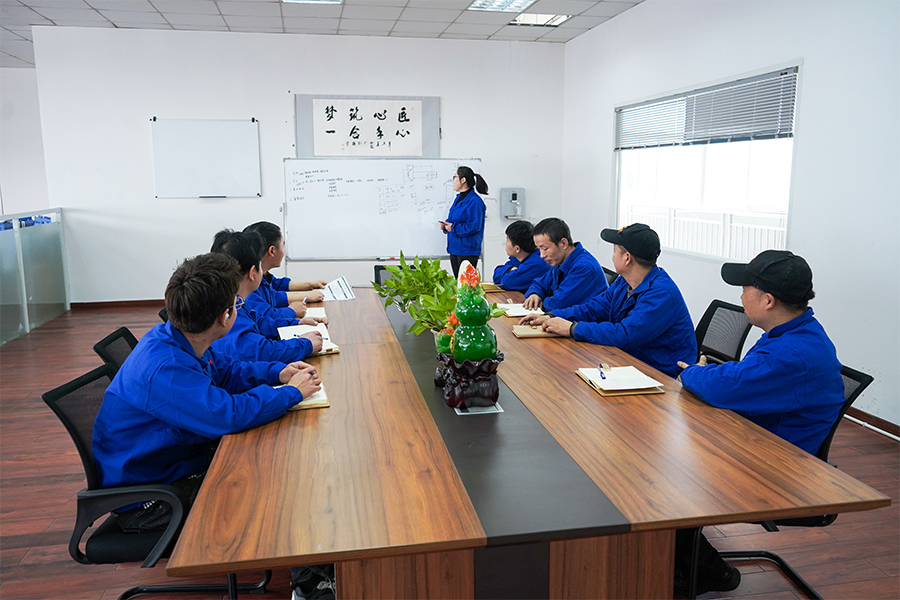
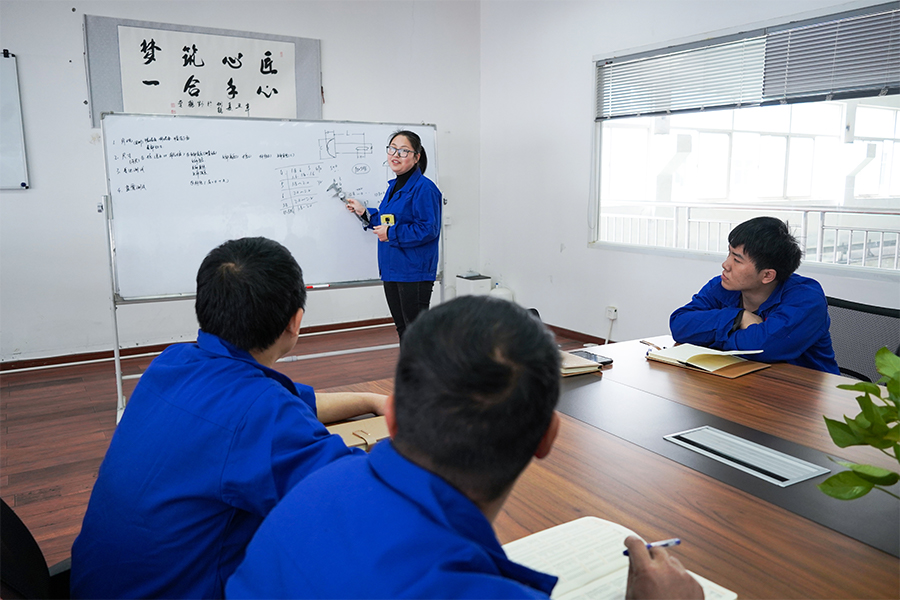
Dess dedikerade FoU-team, med stöd av nästan två decennier av branscherfarenhet, har utvecklat mer än 1 000 skräddarsydda fästlösningar för hundratals komplexa industriella applikationer. Kontinuerliga investeringar i forskning och ingenjörskonst möjliggör ständiga förbättringar inom anpassade icke-standardskruvar , anslutningsteknik och precisionskomponentdesign.
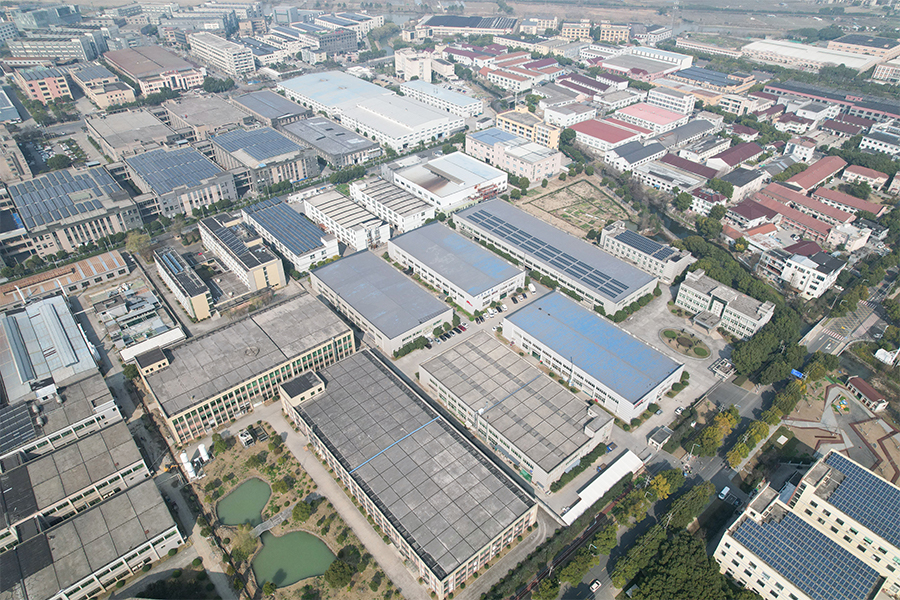
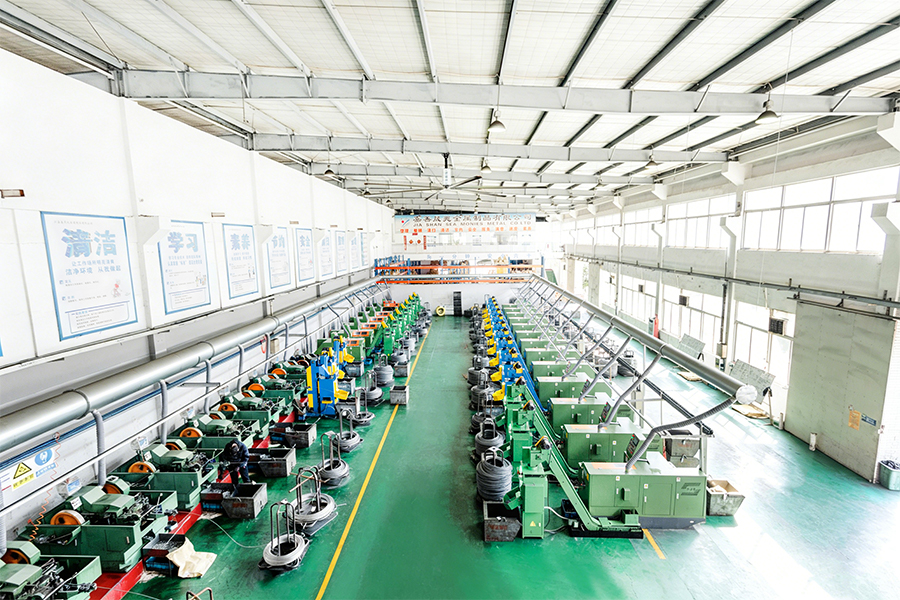
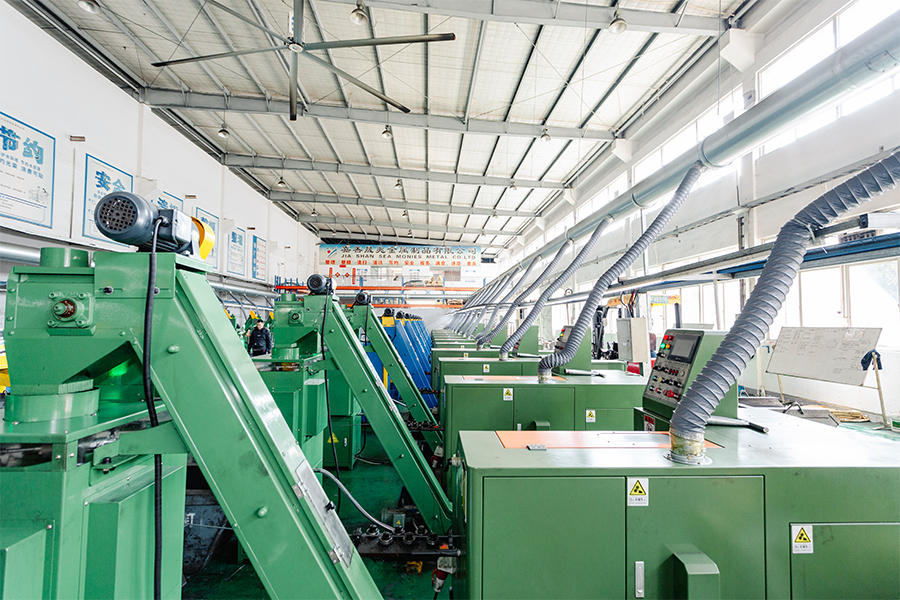
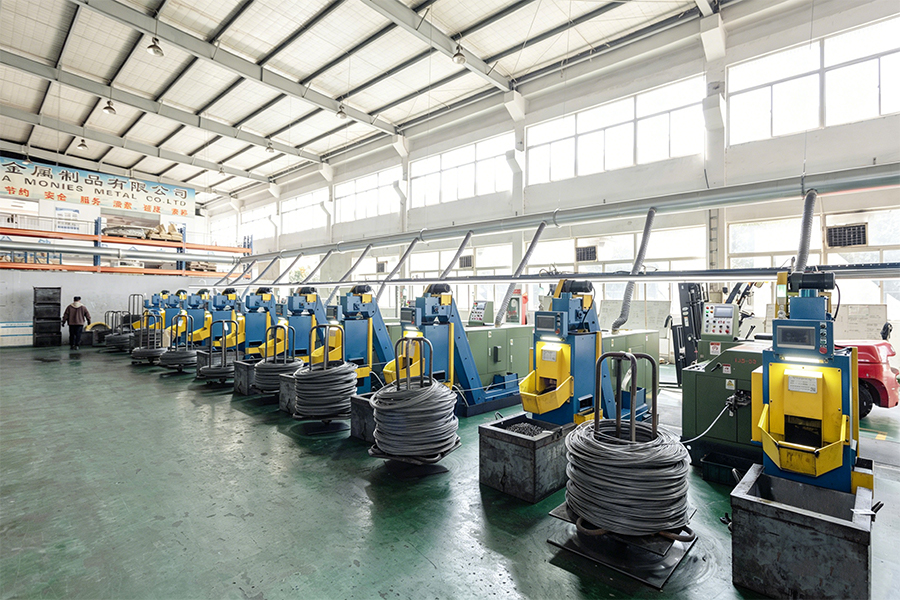
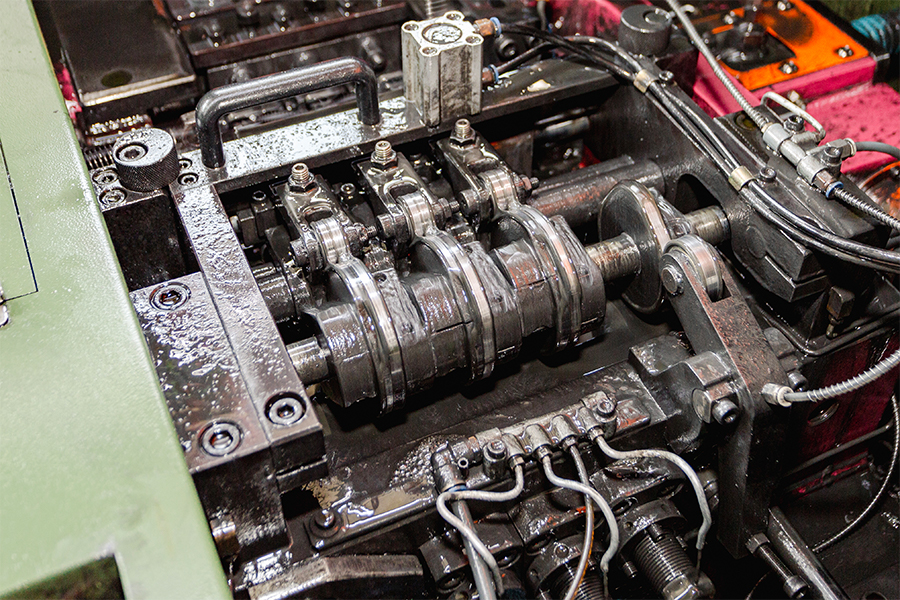
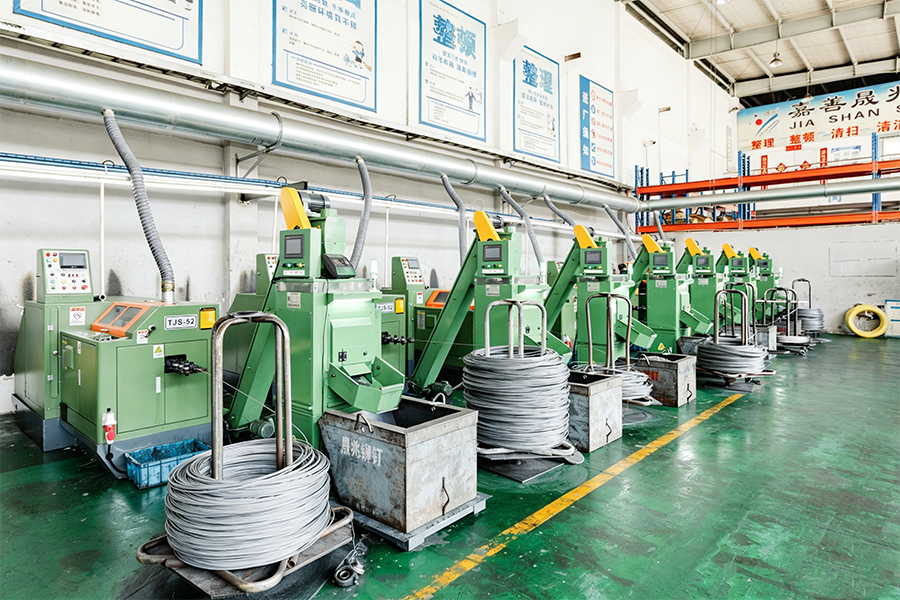
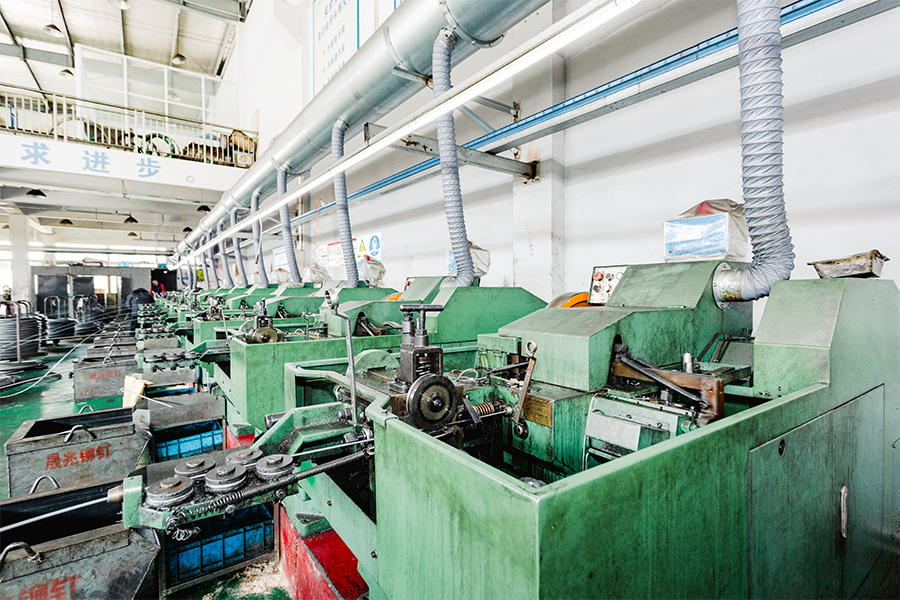
Produktionen stöds av en tillverkningsanläggning som täcker mer än 30 000 kvadratmeter och utrustad med över 80 multistations maskiner för kall riktning. Automatiserade produktionslinjer kombinerat med lean manufacturing management ger stabil kvalitet, hög produktionseffektivitet och pålitlig leverans för både standard och högt anpassade infästningsprojekt.
Slutsats
Att välja det bästa materialet för tillverkning av icke-standardiserade skruvar beror på förståelsen av applikationens mekaniska krav, miljöförhållanden, tillverkningsprocesser och förväntad livslängd. Rostfritt stål ger en utmärkt balans mellan korrosionsbeständighet och mångsidighet, legerat stål ger överlägsen styrka, aluminiumlegering stödjer lättviktskonstruktioner, medan koppar och speciallegeringar tjänar specialiserade elektriska eller extrema miljötillämpningar.
Genom att kombinera lämpligt materialval med precisionstillverkning, optimerade produktionsprocesser och rigorös kvalitetskontroll, kan tillverkare producera anpassade icke-standardskruvar som uppnår tillförlitlig prestanda, jämn kvalitet och långvarig hållbarhet inom ett brett spektrum av industrisektorer.
FAQ
1. Vad är icke-standardskruvar?
Icke-standardskruvar är skräddarsydda fästelement tillverkade med speciella dimensioner, gängdesigner, huvudstilar, material eller toleranser för att möta specifika tekniska och industriella krav.
2. Vilket material används oftast för anpassade skruvar som inte är standard?
Rostfritt stål är ett av de mest använda materialen eftersom det erbjuder utmärkt korrosionsbeständighet, hållbarhet och bearbetningsprestanda för olika industrier.
3. När ska legerat stål väljas istället för rostfritt stål?
Legerat stål är i allmänhet att föredra när högre mekanisk hållfasthet, slitstyrka och utmattningsprestanda krävs, särskilt för tung industriutrustning.
4. Kan aluminiumlegering användas för icke-standardiserade skruvar?
Ja. Aluminiumlegering är lämplig för lätta applikationer som flyg, elektronik, kommunikationsutrustning och elfordon där det är viktigt att minska komponentvikten.
5. Varför är materialval viktigt för anpassade skruvar som inte är standard?
Materialvalet avgör skruvens styrka, korrosionsbeständighet, bearbetningskvalitet, utmattningslivslängd, hållbarhet och övergripande tillförlitlighet i den avsedda driftsmiljön.





