








Kan industriella metallbrickor förbättra den strukturella säkerheten i tung utrustning?
Tung utrustning arbetar under krävande förhållanden där vibrationer, stötbelastningar, temperaturfluktuationer och kontinuerliga mekaniska påfrestningar utmanar varje fästpunkt. Medan bultar och muttrar ofta får mest uppmärksamhet, industriella metallbrickor är lika viktiga komponenter som avsevärt påverkar anslutningsstabilitet och strukturell integritet. Rätt utvalda brickor fördelar klämkrafter, minskar lokal spänning, skyddar kontaktytor och hjälper till att bibehålla förspänningen under långvarig drift.
Varför är industriella metallbrickor kritiska i tung utrustning?
Tung utrustning upplever upprepad dynamisk belastning snarare än statisk kraft ensam. Varje rörelse, vibration eller stöt skapar växlande belastning på bultförband.
Utan lämpliga brickor kan fästsystem uppleva:
- Ojämn lastkoncentration
- Ytfördjupning
- Bultlossning orsakad av vibrationer
- Minskad förspänning
- För tidig trötthetssvikt
- Skador på strukturella komponenter
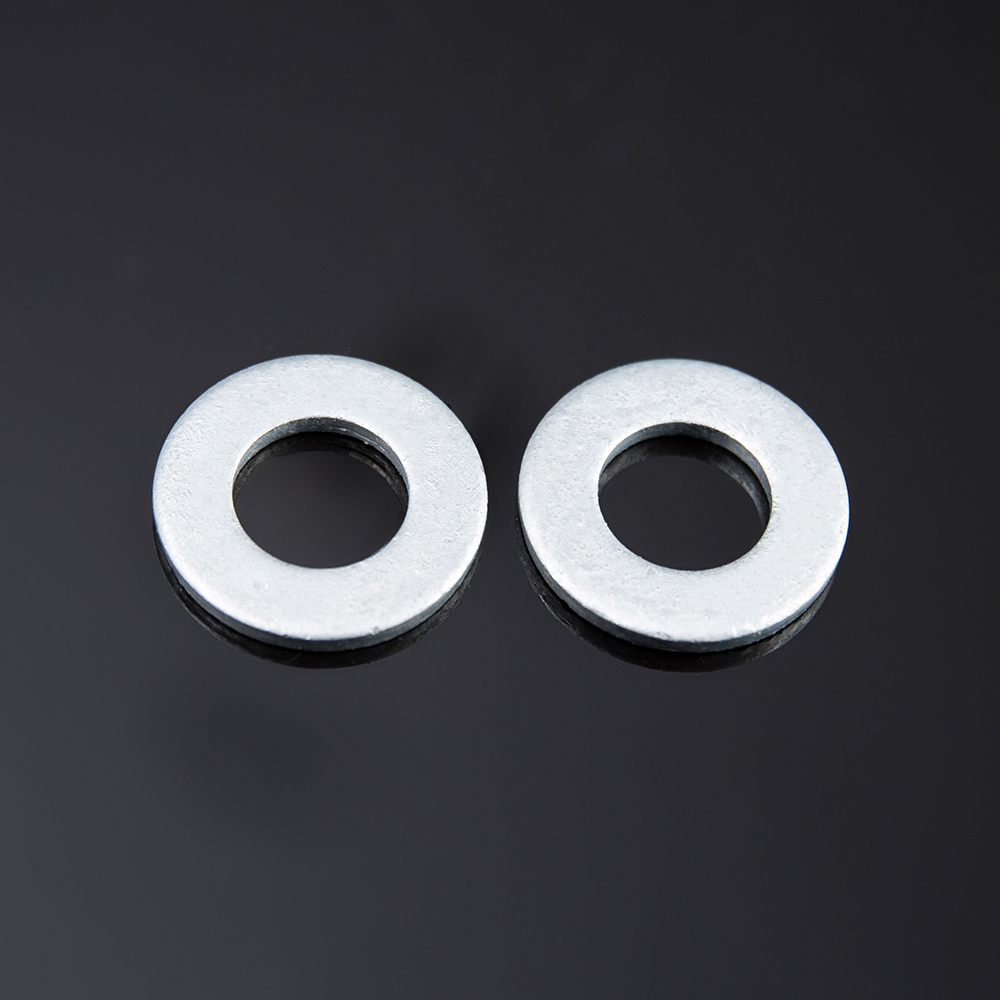
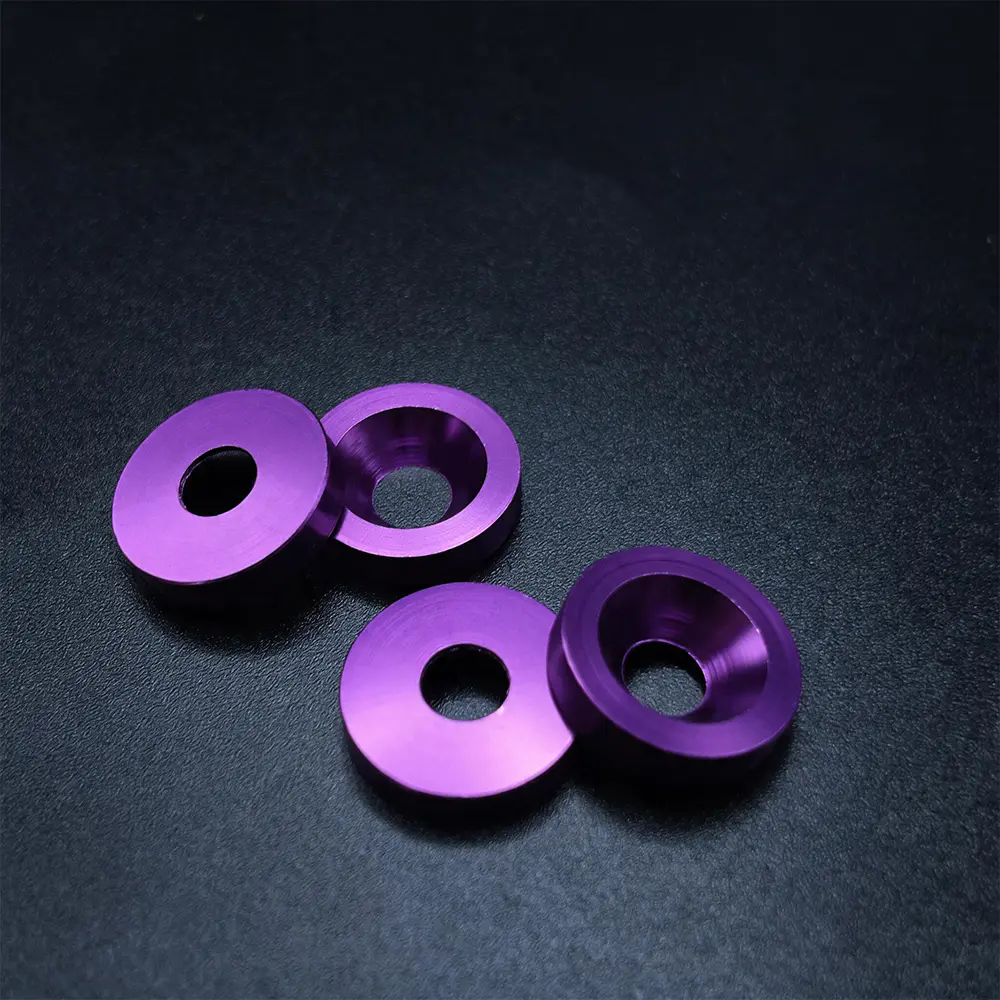
Industriella metallbrickor skapar en stabil lageryta mellan fästelementet och det anslutna materialet. Denna bredare kontaktyta fördelar klämtrycket jämnare, vilket minskar lokal deformation samtidigt som tillförlitligheten hos hela anslutningen förbättras.
Istället för att fungera som enkla distanser, fungerar moderna brickor som strukturella lasthanteringskomponenter som skyddar både fästelement och utrustning.
Hur förbättrar kraftiga brickor den strukturella säkerheten?
Strukturell säkerhet är beroende av att bibehålla säkra fogar under hela utrustningens livslängd.
Kraftiga brickor bidrar genom att minimera flera vanliga felmekanismer.
| Funktion | Säkerhetsfördel | Typiska applikationer |
|---|---|---|
| Lastfördelning | Förhindrar överdriven ytspänning | Strukturella ramar |
| Ytskydd | Minskar fördjupningar och slitage | Stålenheter |
| Vibrationsmotstånd | Hjälper till att bibehålla bultens förspänning | Gruvutrustning |
| Uppriktningsstöd | Förbättrar fästnoggrannheten | Maskinbaser |
| Stressreducering | Minimerar trötthetskoncentrationen | Tunga mekaniska system |
Dessa funktioner blir allt mer värdefulla när utrustningen arbetar under kontinuerliga vibrationer eller cyklisk belastning.
Korrekt val av bricka förbättrar också vridmomentkonsistensen under installationen, vilket gör att bultar kan uppnå mer förutsägbara spännkrafter.
Varför är lastfördelning så viktig?
Bultförband koncentrerar en enorm kraft under bulthuvuden och muttrar.
Utan tillräcklig lageryta:
- Stålplåtar kan deformeras.
- Belagda ytor kan spricka.
- Aluminiumkomponenter kan få permanenta fördjupningar.
- Bultförspänningen minskar gradvis.
Strukturella brickor ökar den effektiva kontaktytan och sprider belastningen över ett större område.
Resultatet inkluderar:
- Förbättrad ledstabilitet
- Minskad stresskoncentration
- Bättre utmattningsmotstånd
- Lägre risk för strukturell snedvridning
Denna princip är särskilt viktig i broar, ramar för tunga maskiner, kranar, grävmaskiner, industripressar och materialhanteringssystem.
Att välja rätt brickmaterial
Materialvalet påverkar direkt mekanisk prestanda, korrosionsbeständighet och livslängd.
| Material | Huvudsakliga fördelar | Typiska applikationer |
|---|---|---|
| Rostfritt stål | Utmärkt korrosionsbeständighet | Utomhusutrustning, marina miljöer |
| Legerat stål | Hög hållfasthet och utmattningsbeständighet | Kraftiga maskiner |
| Kolstål | Kostnadseffektiv med god styrka | Allmän industriell utrustning |
| Aluminiumlegering | Lätt och korrosionsbeständig | Lätta mekaniska strukturer |
| Koppar | Bra elektrisk ledningsförmåga | Elektrisk utrustning |
Materialet ska alltid matcha miljöförhållandena och de mekaniska egenskaper som fastsättningssystemet kräver.
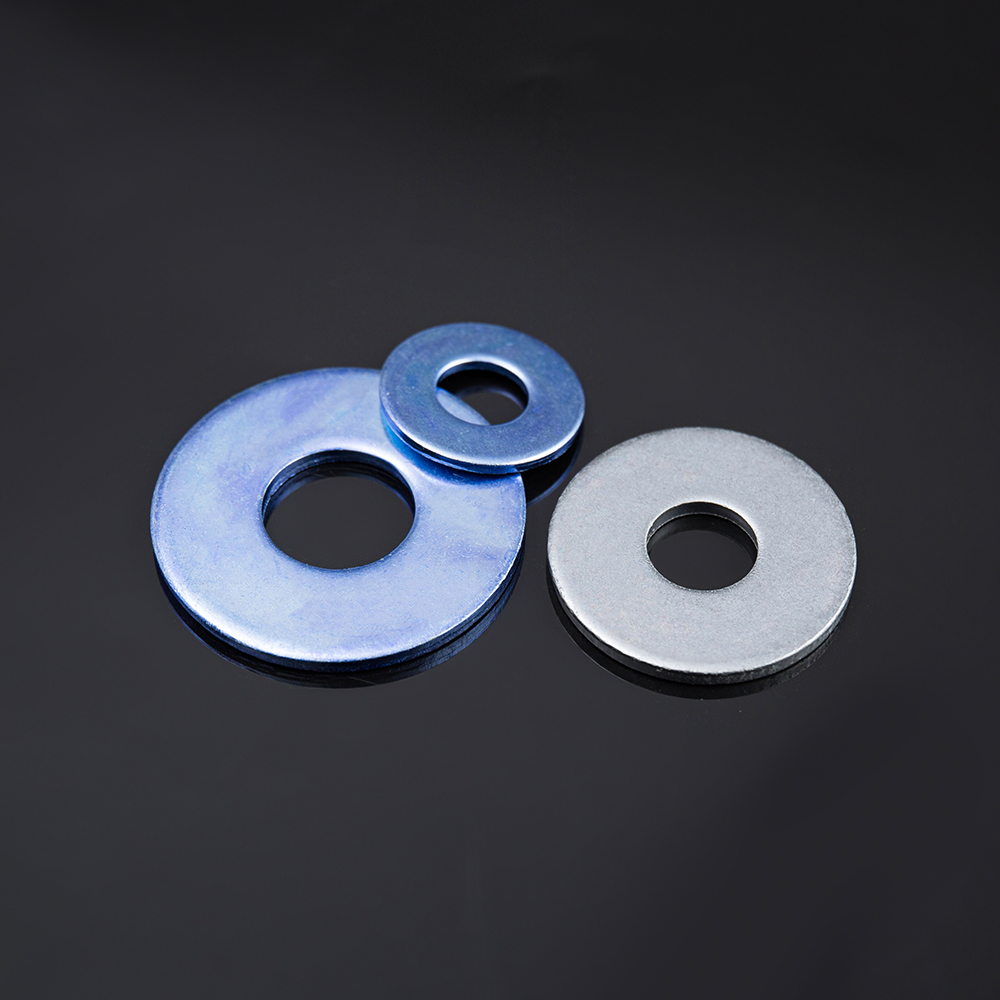
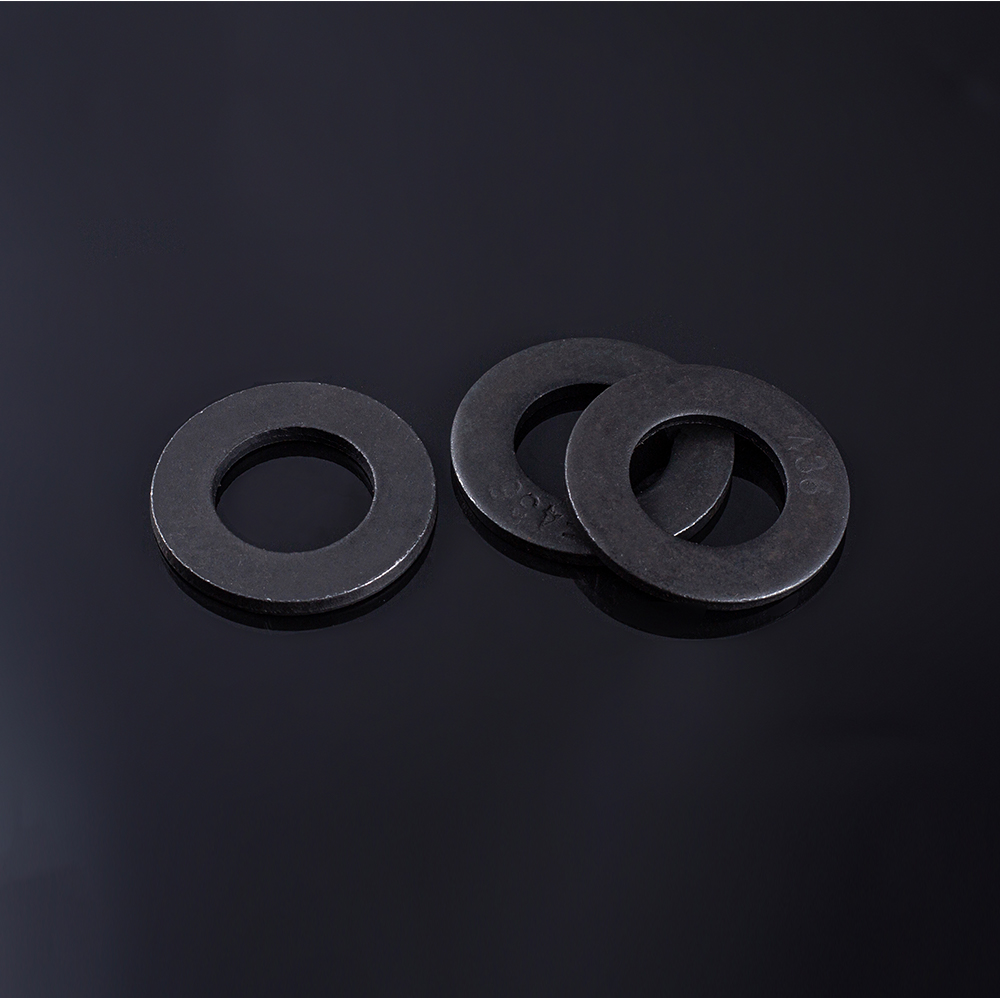
Ytbehandlingar som zinkplätering, svartoxid, varmförzinkning eller specialiserade skyddsbeläggningar kan ytterligare förbättra korrosionsbeständigheten och hållbarheten.
Hur minskar industriella metallbrickor lossning av fästelement?
En av de vanligaste orsakerna till utrustningsfel är gradvis bultlossning.
Tunga maskiner upplever kontinuerligt:
- Motorvibrationer
- Slagbelastning
- Roterande rörelse
- Termisk expansion
- Cyklisk stress
Med tiden minskar dessa faktorer bultförspänningen.
Korrekt designade kraftiga brickor hjälper till att upprätthålla ett konsekvent kontakttryck, vilket minskar avslappning mellan anslutna ytor.
Även om brickor ensamma inte kan eliminera lossning, förbättrar de avsevärt den övergripande tillförlitligheten hos fästsystemen i kombination med korrekt bultdesign, installationsmoment och underhållsrutiner.
Vanliga typer av industriella metallbrickor
Olika tekniska tillämpningar kräver olika brickkonstruktioner.
| Typ av bricka | Primär funktion | Typisk industri |
|---|---|---|
| Platt bricka | Lastfördelning | Allmänna maskiner |
| Strukturell bricka | Högbelastningsstöd | Stålkonstruktion |
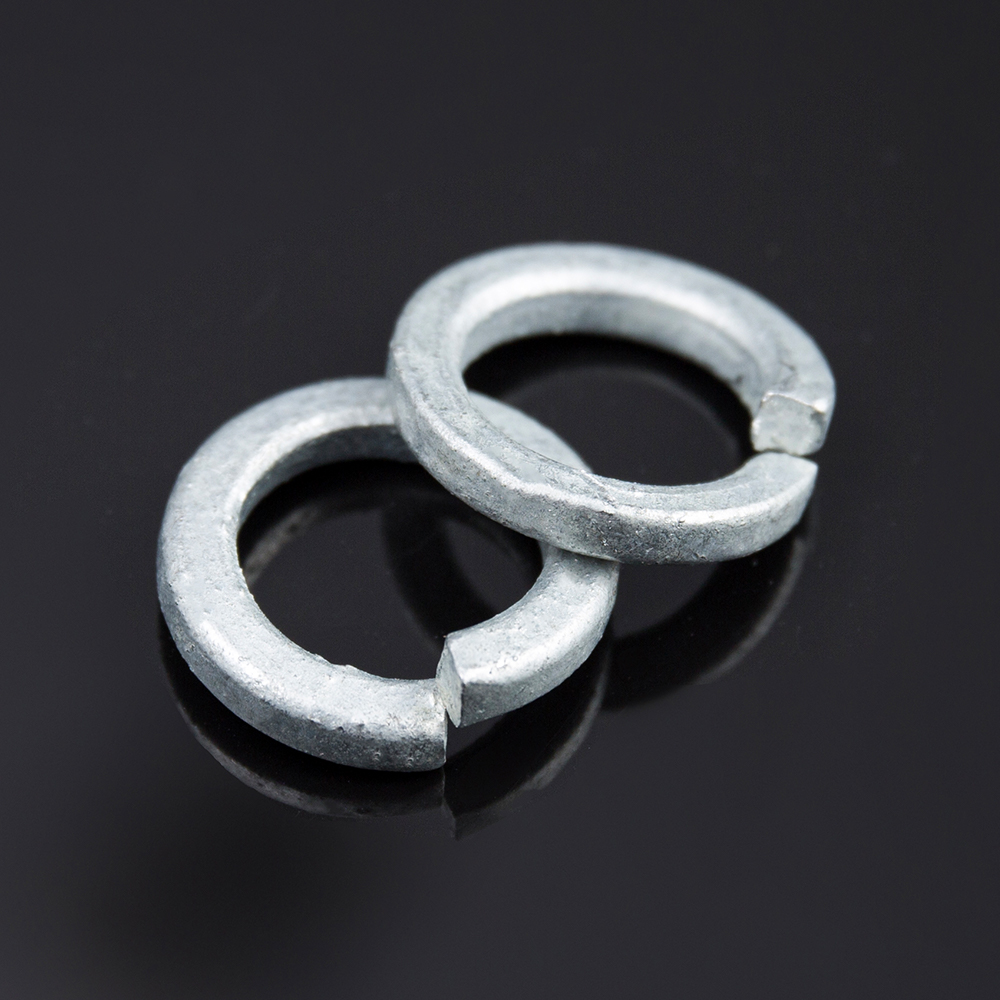
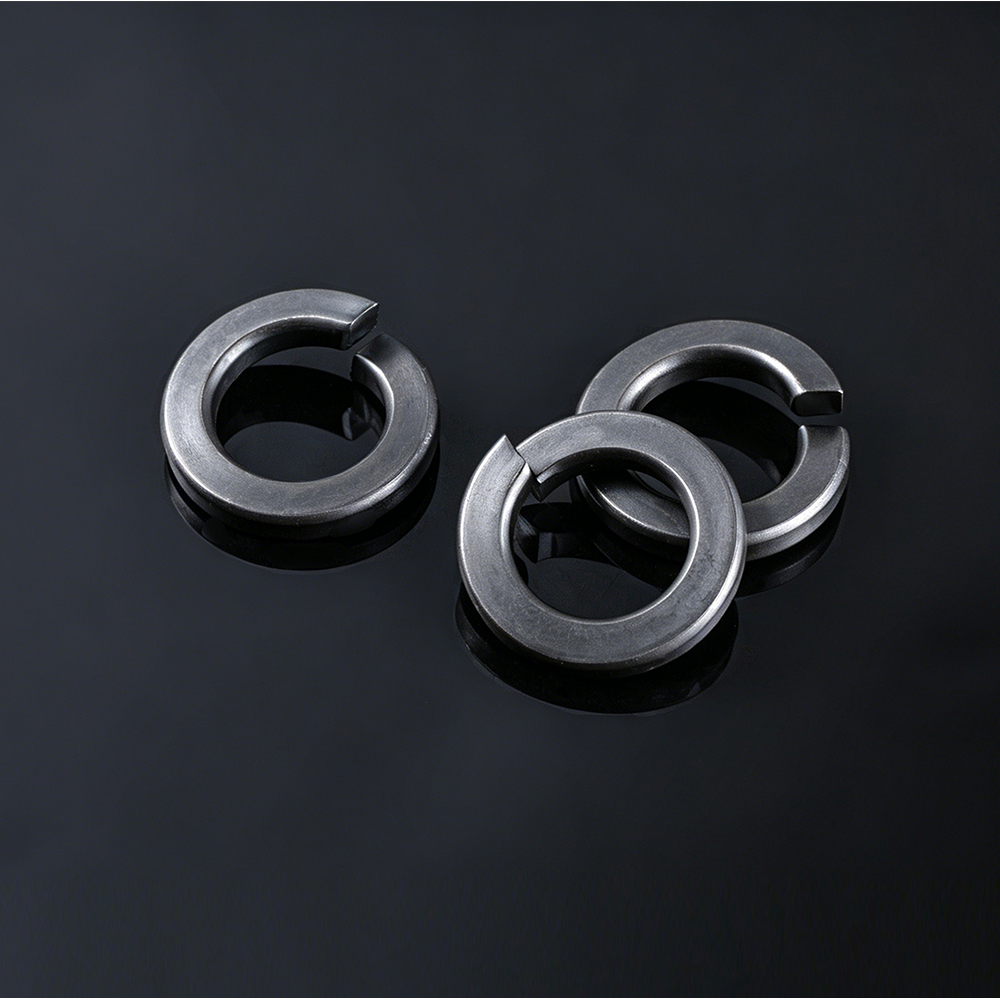
| Fjäderbricka | Förbättrad förspänningshållning | Mekanisk utrustning |
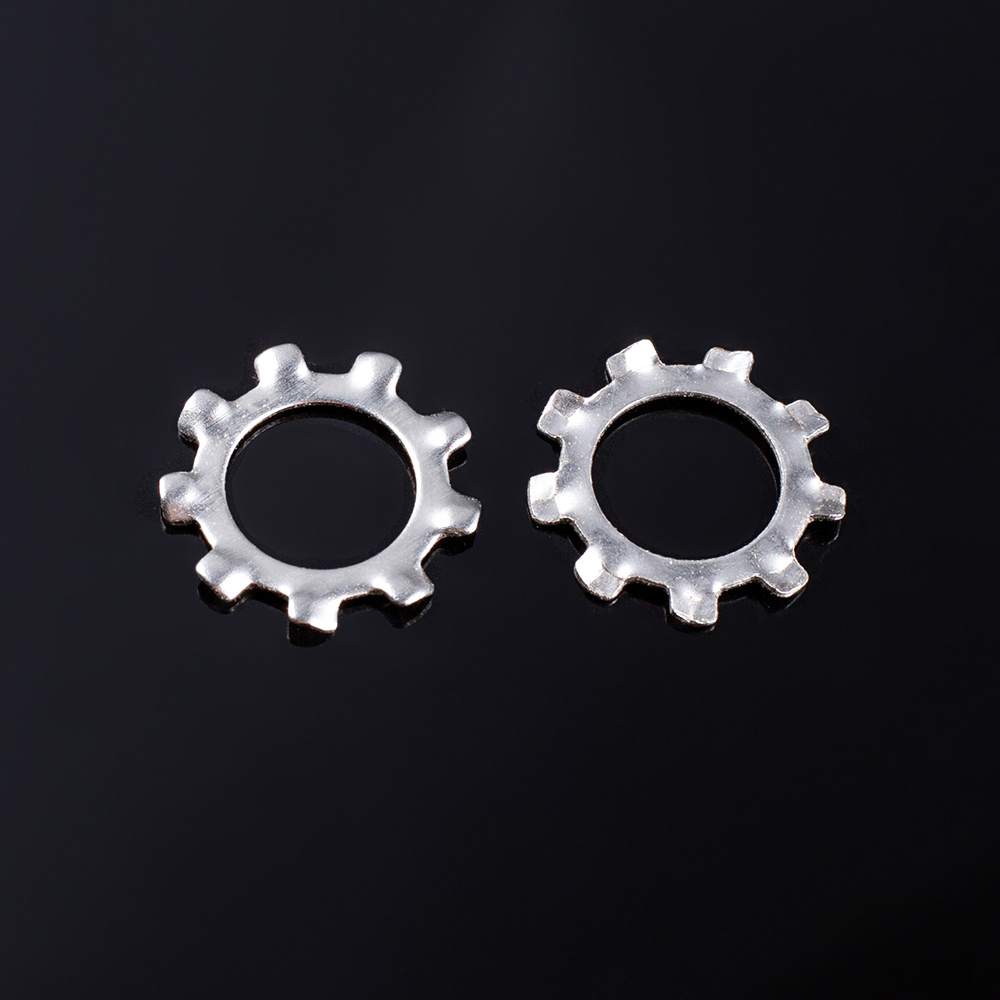
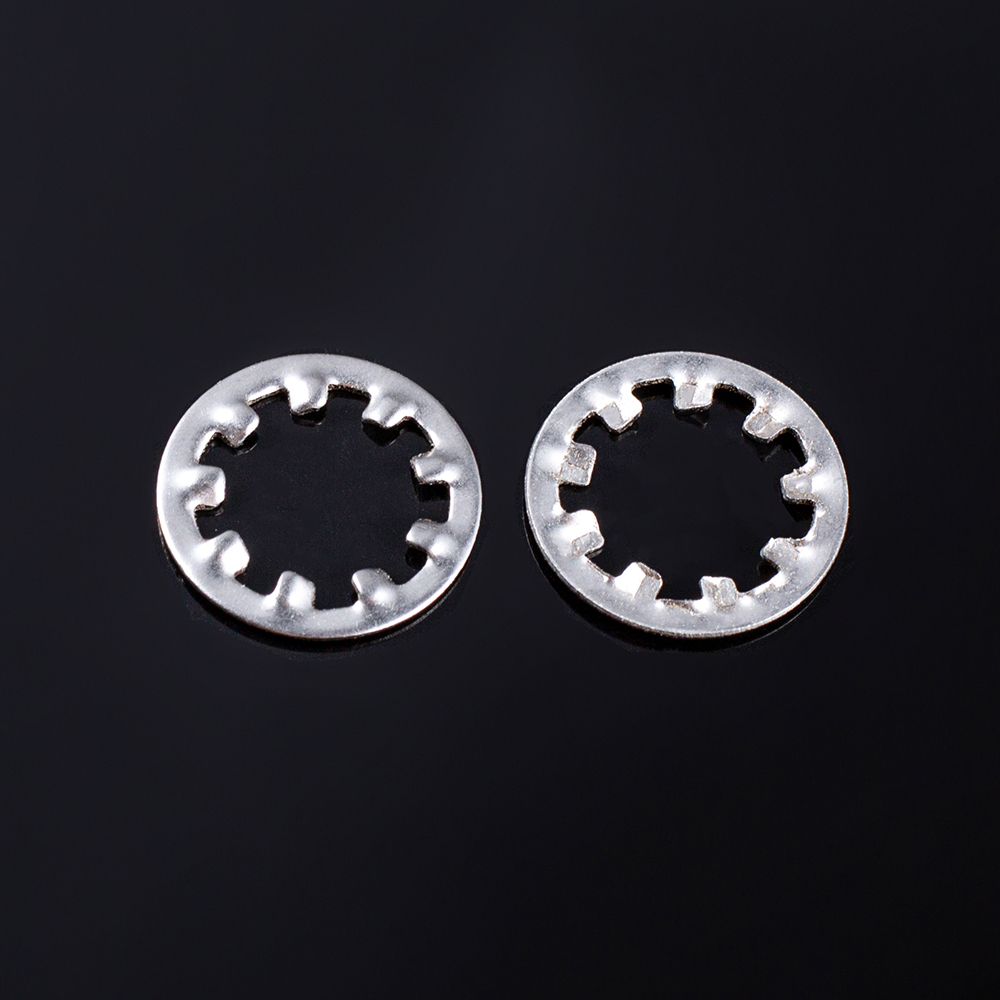
| Låsbricka | Ökat motstånd mot att lossna | Industriell montering |
| Fender bricka | Stor lageryta | Plåtkonstruktioner |
Att välja rätt bricktyp beror på belastningsförhållanden, materialtjocklek, fogdesign och servicemiljö.
Tillverkningskvalitet avgör prestanda
Prestandan hos en industritvätt beror inte bara på design utan också på tillverkningsprecision.
Kritiska tillverkningsfaktorer inkluderar:
- Noggranna dimensionstoleranser
- Jämn tjocklek
- Korrekt värmebehandling
- Konsekvent hårdhet
- Slät ytfinish
- Materialkonsistens
Högkvalitativ tillverkning säkerställer att brickor fungerar konsekvent under krävande driftsförhållanden.
Även små dimensionsvariationer kan påverka förspänningsfördelningen och fogens tillförlitlighet.
Stödja industriell tillförlitlighet genom avancerad tillverkning
Högpresterande fästlösningar kräver erfaren ingenjörskonst, avancerade produktionsprocesser och strikt kvalitetsstyrning.
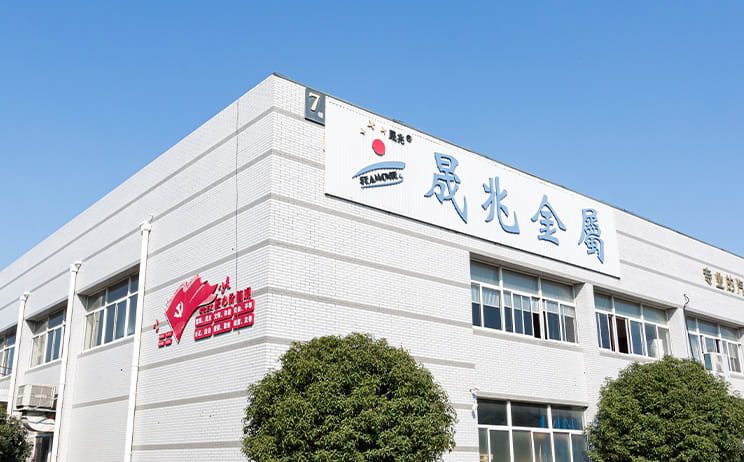
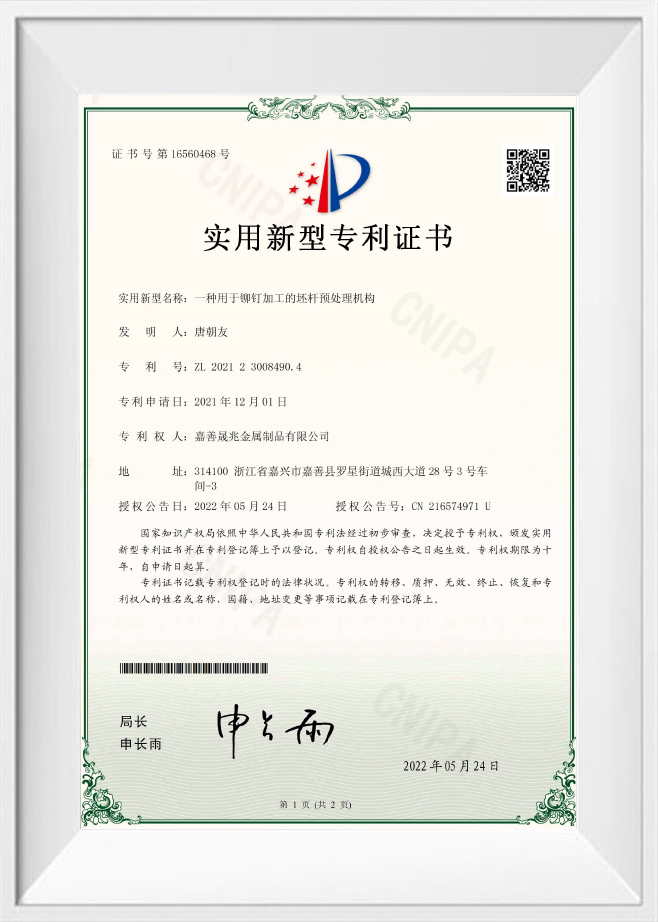
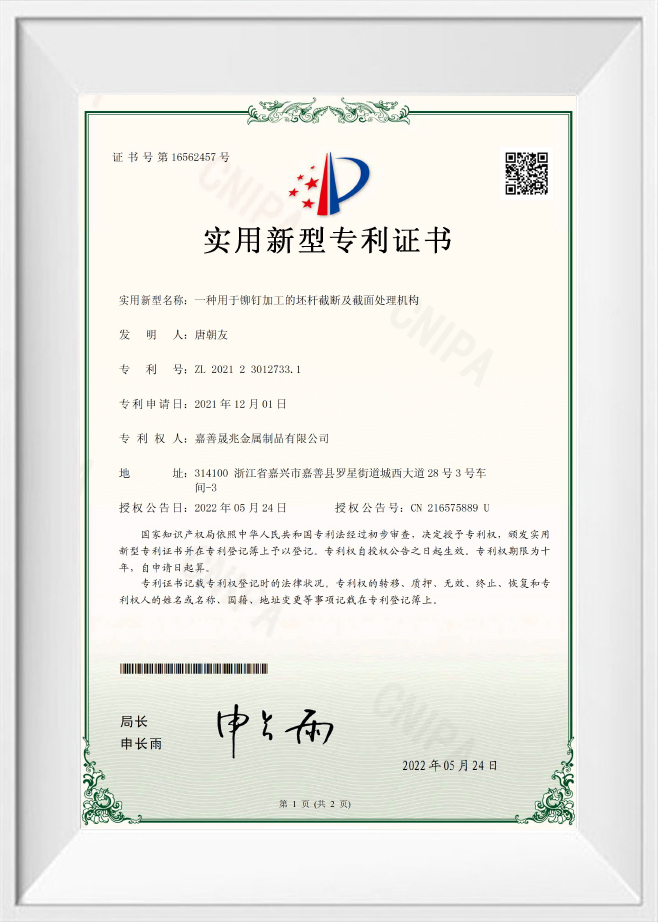
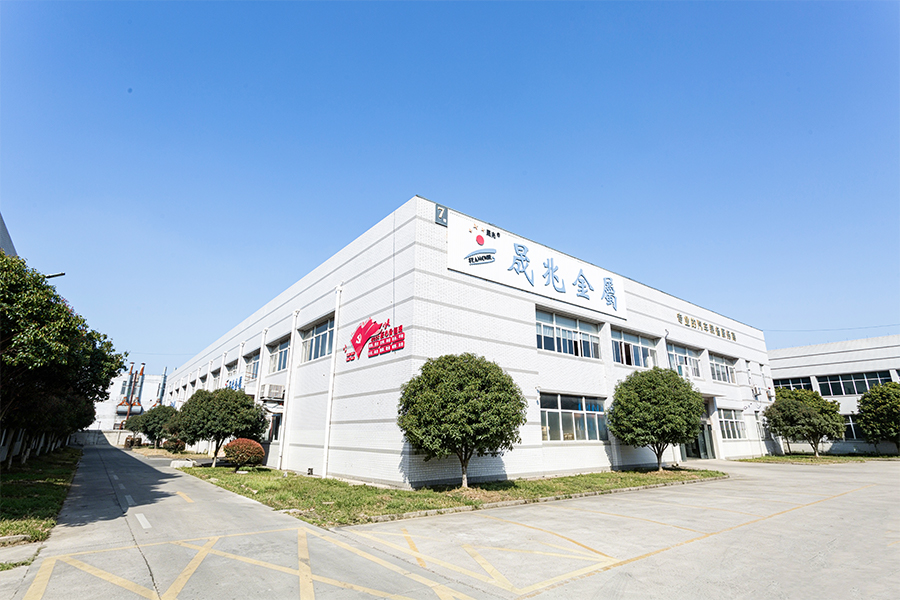
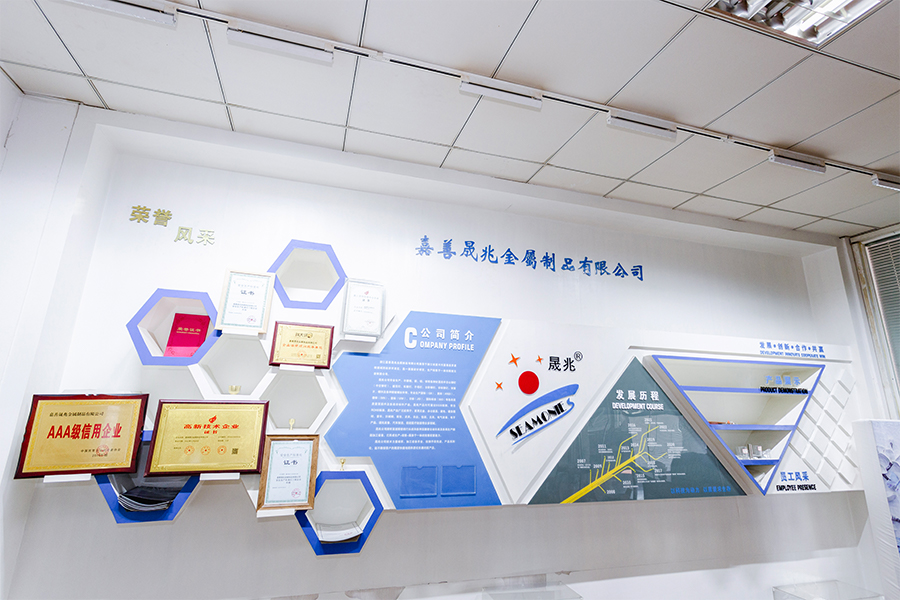
Zhejiang Chance & Union Import and Export Co., Ltd. är ett familjeägt företag under SEA Monies Metal Co., Ltd., som ärver nästan 20 års erfarenhet och kvalitetsarv inom metalltillverkning. Företaget bygger på starka produktionsresurser och en integrerad försörjningskedja och fokuserar på forskning, tillverkning och global leverans av precisionsprodukter för metallfästning för olika industriella tillämpningar.
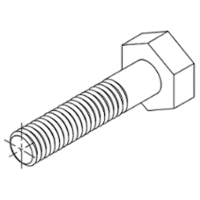
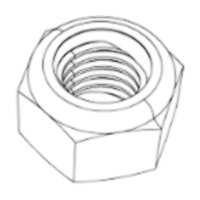
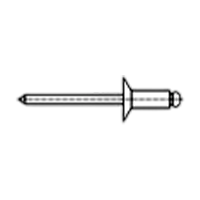
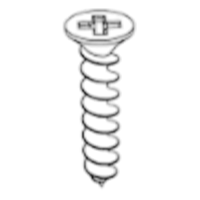
Dess produktportfölj inkluderar höghållfasta nitar, bultar, muttrar, industriella metallbrickor, stift, skruvar och ett brett utbud av specialkonstruerade fästkomponenter. Tillgängliga material inkluderar rostfritt stål, legerat stål, aluminiumlegering, koppar och speciallegeringar, tillverkade genom kallskärning, varmsmidning och CNC-bearbetning för att möta olika tekniska krav.
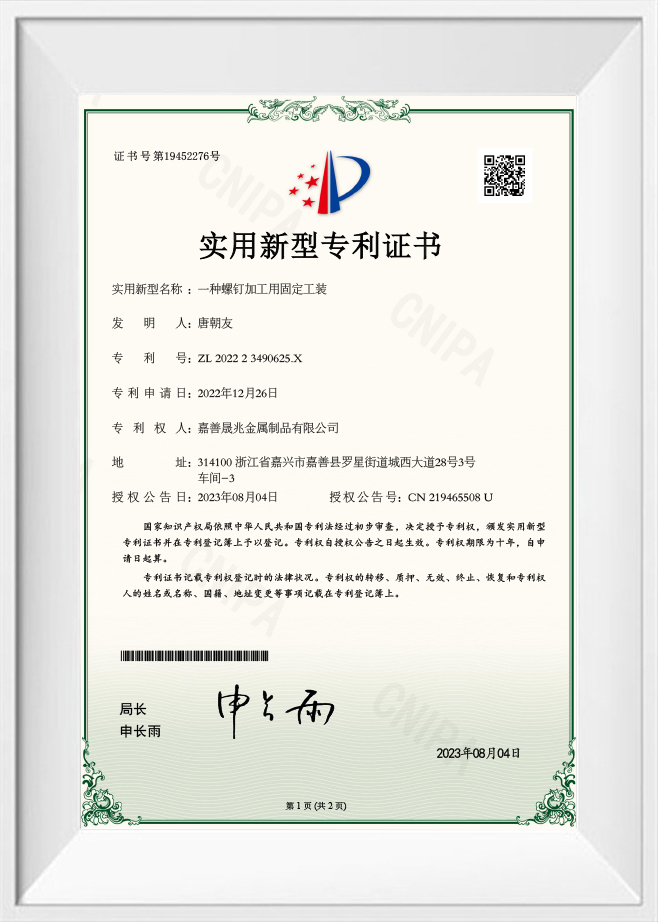
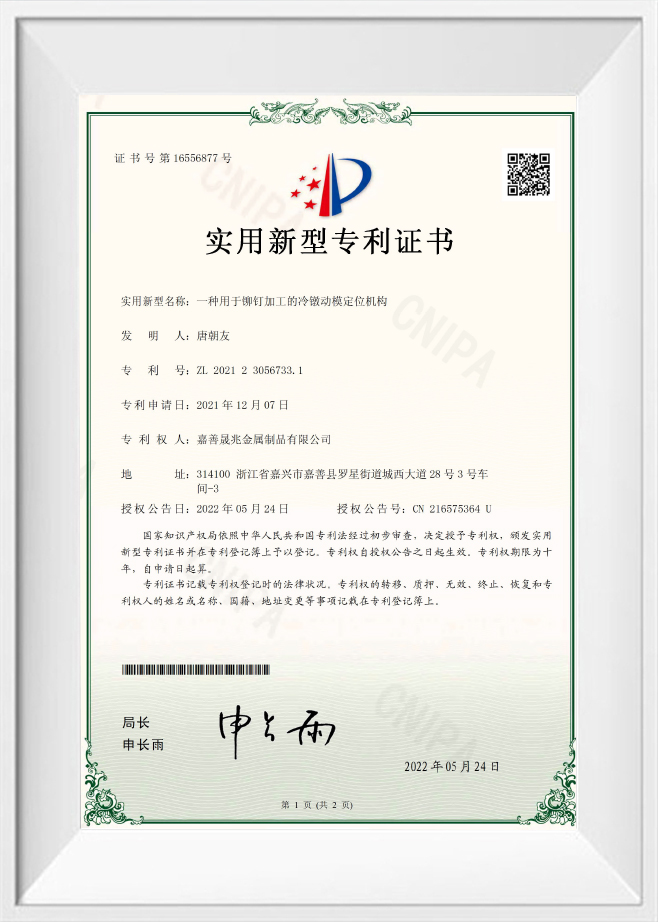
Forskning och utveckling är fortfarande en viktig styrka. Med stöd av nästan två decennier av branschexpertis, har ingenjörsteamet utvecklat mer än 1 000 skräddarsydda fästelement för över 200 komplexa industriella applikationer över hela världen samtidigt som de kontinuerligt förbättrar icke-standardiserade fäst- och anslutningslösningar.
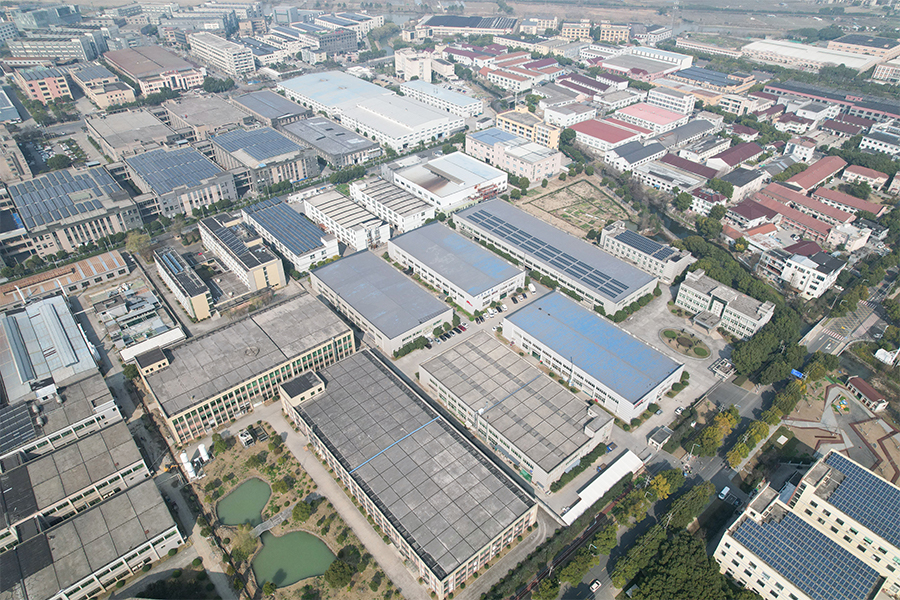
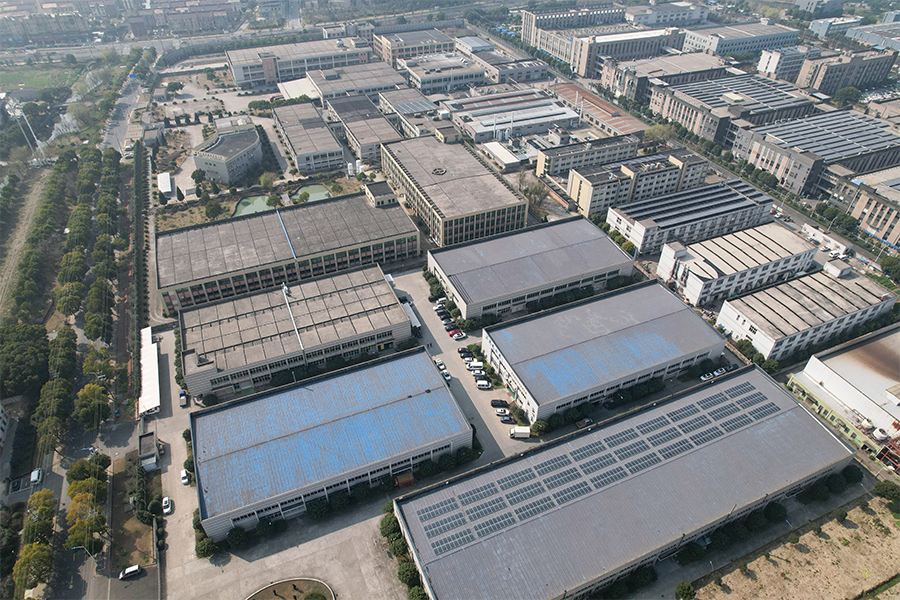
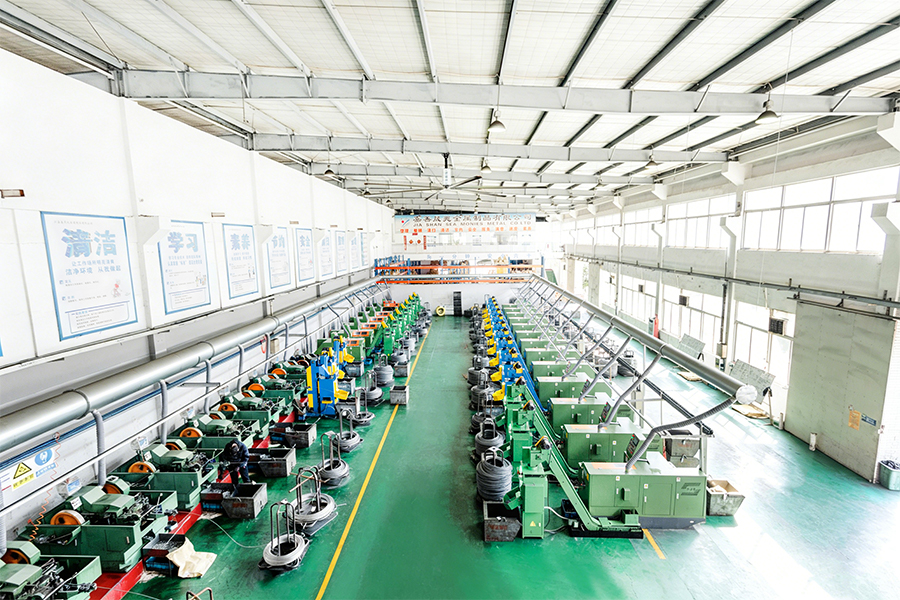
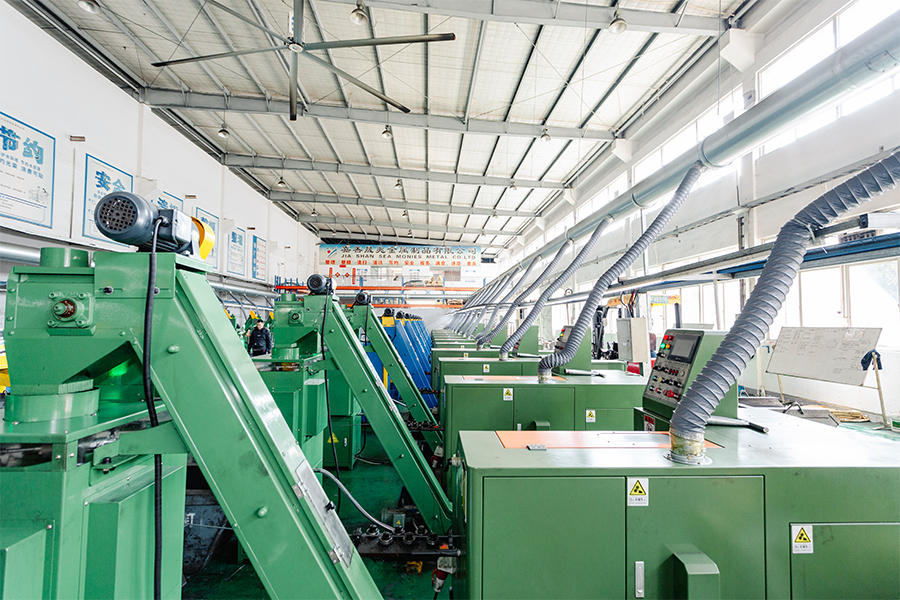
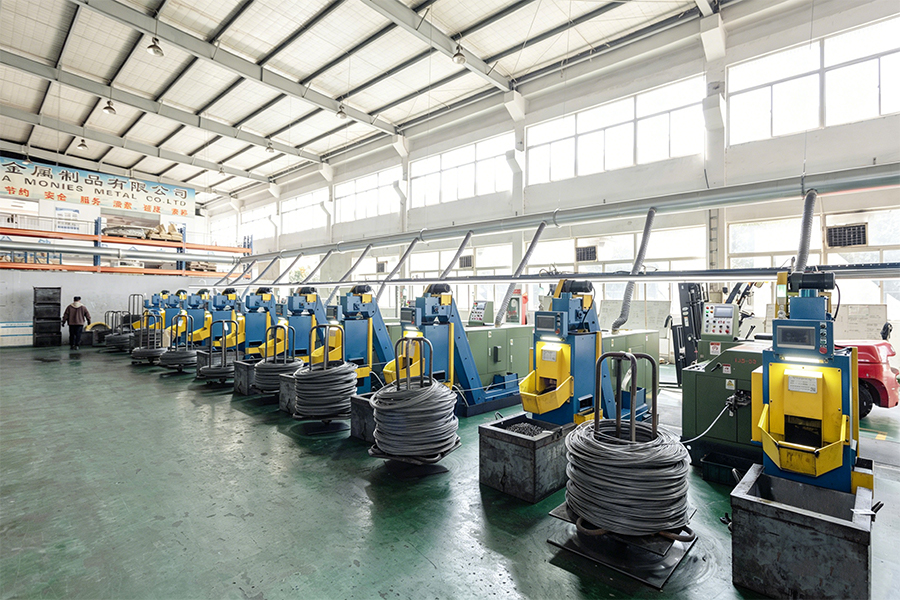
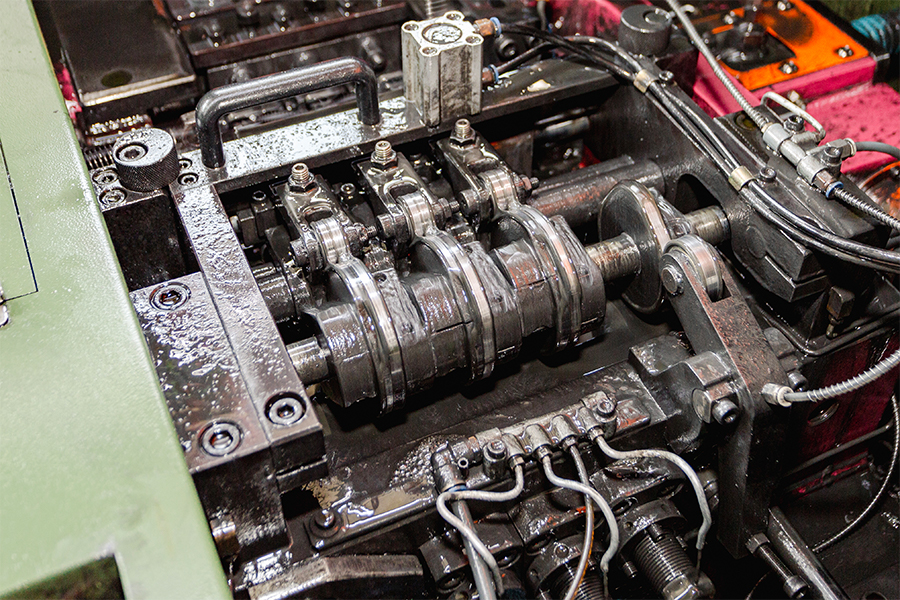
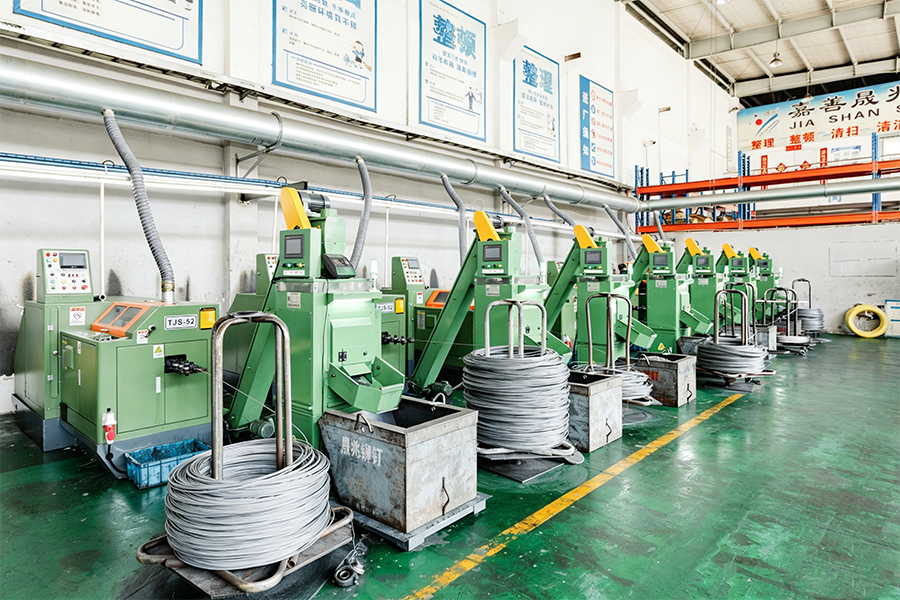
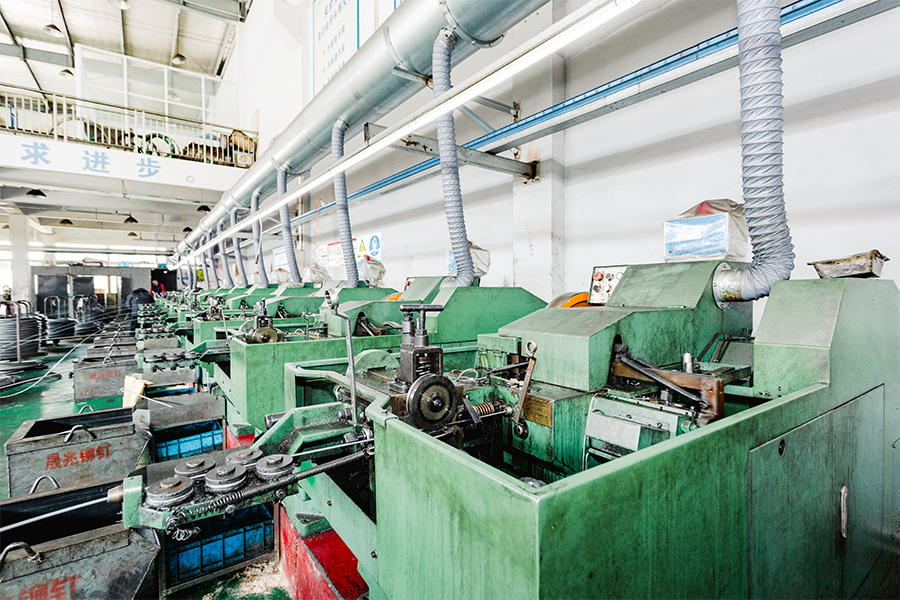
Produktionskapaciteten stöds av en tillverkningsanläggning som täcker mer än 30 000 kvadratmeter och utrustad med över 80 multistationsmaskiner för kall riktning. Automatiserade produktionslinjer och slank tillverkning möjliggör stabil månatlig produktionskapacitet samtidigt som det stödjer effektiv leverans för både standard- och kundanpassade beställningar.
Kvalitetssäkring upprätthålls genom optiska sorteringssystem, precisionsinspektionsutrustning, saltsprayprovning, dragprovning och omfattande kvalitetskontrollprocedurer som utförs i enlighet med ISO 9001-kraven. Dessa processer hjälper till att säkerställa konsekvent produktkvalitet före leverans.
För att stödja snabb global försörjning har företaget ett modernt lager med mer än 5 000 produktspecifikationer i lager och betydande lagringskapacitet, vilket möjliggör snabb orderhantering och kortare inköpsledtider för industrikunder.
Att välja rätt bricka för tung utrustning
Ingenjörer bör utvärdera flera faktorer innan de väljer brickor.
Tänk på följande:
- Maximal arbetsbelastning
- Dynamiska eller statiska belastningsförhållanden
- Miljöexponering för korrosion
- Driftstemperatur
- Ythårdhet på anslutna material
- Krävs förladdning
- Bultkvalitetskompatibilitet
- Tillämpliga tekniska standarder
Att välja brickor enbart baserat på dimensioner kan förbise kritiska prestandakrav.
En omfattande utvärdering hjälper till att förbättra säkerheten, förlänga utrustningens livslängd och minska underhållskostnaderna.
Slutsats
Även om brickor är relativt små komponenter, är deras inverkan på den strukturella säkerheten betydande. Rätt konstruerade industriella metallbrickor förbättrar lastfördelningen, skyddar kontaktytor, bibehåller fästets integritet, minskar stresskoncentrationen och förbättrar tillförlitligheten hos tung utrustning som arbetar under krävande förhållanden.
Genom att kombinera lämpligt materialval, precisionstillverkning, lämplig brickdesign och rigorös kvalitetskontroll kan ingenjörer avsevärt förbättra prestandan och hållbarheten hos skruvförband.
FAQ
1. Vad används industriella metallbrickor till?
Industriella metallbrickor fördelar klämkraften, skyddar kontaktytor, minskar spänningskoncentrationen och förbättrar stabiliteten hos skruvförband i industriell utrustning.
2. Vad är skillnaden mellan kraftiga brickor och standardbrickor?
Kraftiga brickor är designade för högre belastningar, större slagtålighet och krävande driftsförhållanden, vilket gör dem lämpliga för tunga maskiner och strukturella applikationer.
3. När ska konstruktionsbrickor användas?
Strukturella brickor används ofta i höghållfasta stålkonstruktioner, tung utrustning, entreprenadmaskiner, broar och andra applikationer där stora klämbelastningar måste fördelas säkert.
4. Vilket material är bäst för industriella metallbrickor?
Det ideala materialet beror på applikationen. Rostfritt stål ger utmärkt korrosionsbeständighet, legerat stål ger hög mekanisk hållfasthet, medan kolstål ger en balans mellan styrka och kostnad.
5. Kan rätt brickval förlänga utrustningens livslängd?
Ja. Korrekt val av bricka hjälper till att bibehålla bultarnas förspänning, minskar slitage och utmattning, skyddar fogytor och minimerar underhåll, vilket bidrar till längre livslängd på utrustningen och förbättrad strukturell tillförlitlighet.





