


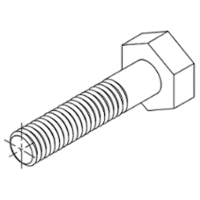
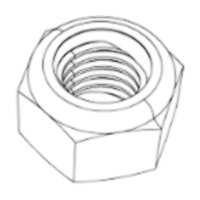






A325 vs. A490 Heavy hex-konstruktionsbultar: Draghållfasthet vs. skårkänslighet – Hur påverkar denna avvägning lagertyp kontra glidkritiska anslutningar?
Valet mellan ASTM A325 (nu betyg A325 under F3125) och ASTM A490 (betyg A490 under F3125) tunga sexkantsbultar är ett av de mest kritiska besluten inom stålkonstruktionskonstruktion. Även om A490 erbjuder betydligt högre draghållfasthet, kommer denna styrka med ökad känslighet för skåror och en högre risk för spröd fraktur. Denna grundläggande avvägning bestämmer direkt lämpligheten av varje bultkvalitet för lagertyp kontra glidkritiska anslutningar. Den här artikeln ger en omfattande jämförelse och en praktisk beslutsram.
1. Jämförelse av kärnegenskaper: A325 vs. A490
Följande tabell visar de viktigaste mekaniska skillnaderna och applikationsskillnaderna mellan de två strukturella bultkvaliteterna, härledda från ASTM F3125-specifikationerna.
| Egenskapsparameter | ASTM A325 (F3125 Grade A325) | ASTM A490 (F3125 Grade A490) |
|---|---|---|
| Minsta draghållfasthet | 120 ksi (≈ 827 MPa) | 150 ksi (≈ 1 034 MPa) |
| Maximal draghållfasthet | Ej specificerat (minst 120 ksi) | 173 ksi (för att begränsa sprödhet) |
| Kärnhårdhet (HRC) | Inte specifikt begränsat (vanligtvis C24–C35) | C33–C38 (strängare kontroll) |
| Notch känslighet | Måttlig – mindre mottaglig för spröd fraktur | Hög – mer känslig för spänningskorrosion och vätgassprickor |
| Varmförzinkning | Tillåtet (vanligtvis) | Förbjudet (risk för väteförsprödning och glödgning) |
| Rotationskapacitetstest | Krävs för galvaniserade monteringar | Krävs för alla enheter (med övre spänningsgränser) |
| Icke-förstörande testning | Krävs vanligtvis inte | Magnetisk partikelinspektion krävs |
2. Anslutningstyper och bultartillämpning
Valet mellan lagertyp och glidkritiska anslutningar beror på de strukturella kraven på glidtolerans, utmattningsmotstånd och deformationskontroll.
- Anslutning av lagertyp: I denna konstruktion är bulten åtdragen till ett "snug-tight" tillstånd (eller helt förspänd), och skjuvkraften överförs i första hand genom bultaxelns skjuvhållfasthet och de anslutna plattornas bärförmåga mot hålväggarna. Viss slirning förväntas innan bultaxeln kommer i kontakt med hålväggen. Denna design möjliggör lägre installationskostnader men resulterar i större deformation och rekommenderas inte för fogar som utsätts för belastningsomkastning eller utmattning.
- Halkkritisk anslutning: I denna design är bulten helt förspänd till en hög nivå (70 % av minsta draghållfasthet), vilket skapar hög spännkraft som genererar friktion mellan de fasta ytorna. Skjuvkraften överförs genom denna friktion och slirning är inte tillåten under driftsbelastningar. Denna design ger högre styvhet, bättre utmattningsmotstånd och krävs för fogar med överdimensionerade eller slitsade hål, eller där glidning skulle vara skadligt för strukturell prestanda.
Tabellen nedan sammanfattar tillämpligheten av varje bultkvalitet på dessa anslutningstyper.
| Anslutningstyp | ASTM A325 Lämplighet | ASTM A490 Lämplighet | Viktigt övervägande |
|---|---|---|---|
| Lagertyp (snug-tight) | Ja – flitigt använt | Ja – men används sällan på grund av kostnad och risk för sprödhet | A325 är att föredra för kostnadseffektiva lageranslutningar |
| Lagertyp (förspända) | Ja – vanligt | Ja – med noggrann kvalitetskontroll | A490 kräver rotationskapacitet och MPI-testning |
| Halkkritisk (friktionstyp) | Ja – standard för de flesta applikationer | Ja – för extremt höga belastningskrav | A490:s högre förspänning ger större glidmotstånd |
3. Avvägningen mellan styrka och notch-känslighet: Inverkan på anslutningslämplighet
Kärnavvägningen mellan draghållfasthet och hackkänslighet har direkta konsekvenser för anslutningsdesign.
- För anslutningar av lagertyp: Dessa anslutningar tillåter slirning och är beroende av bultens skjuvkapacitet och bärighet. Eftersom bulten inte utsätts för samma nivå av cyklisk spänningskoncentration som i glidkritiska fogar, kan den högre draghållfastheten hos A490 vara fördelaktig för att motstå skjuv- och lagerbelastningar. A490:s högre notch-känslighet betyder dock att eventuella gängskador, ytdefekter eller felinriktning lättare kan leda till spröda brott. Därför, även om A490 kan användas i lageranslutningar, rekommenderar många specifikationer att du använder A325 när det är möjligt på grund av A490:s högre risk för spröda frakturer.
- För halkkritiska anslutningar: Dessa anslutningar kräver hög klämkraft för att generera friktion, som är direkt proportionell mot bultens förspänning. A490-bultar, med sin högre draghållfasthet, kan spännas till en högre förspänning, vilket ger större glidmotstånd för samma bultdiameter. Den höga förspänningen i kombination med A490:s höga hårdhet gör dock bulten mer mottaglig för spänningskorrosionssprickor och väteförsprödning. Det är därför som användningen av A490 i halkkritiska anslutningar kräver strikt kvalitetskontroll, inklusive rotationskapacitetstestning och magnetisk partikelinspektion (MPI) för att upptäcka ytfel. Dessutom kan A490-bultar inte varmförzinkas, vilket begränsar deras användning i korrosiva miljöer där galvaniserade A325-bultar föredras.
4. Praktisk beslutsram
Baserat på avvägningsanalysen rekommenderas följande urvalsriktlinjer:
- Föredrar A325 När: (1) Anslutningen är en vanlig lagertyp eller glidkritisk koppling med måttliga belastningskrav; (2) Varmförzinkning krävs för korrosionsskydd; (3) Ledningen utsätts för dynamisk eller utmattningsbelastning där känslighet för skåror är ett primärt problem; (4) Kostnad och tillgänglighet är nyckelfaktorer.
- Överväg A490 när: (1) Anslutningen kräver betydligt högre skjuv- eller halkbeständighet än vad A325 kan ge; (2) Förbandet utsätts för extremt höga statiska belastningar och befinner sig inte i en korrosiv miljö; (3) Entreprenören kan tillhandahålla den nödvändiga kvalitetskontrollen (MPI, rotationskapacitetstestning); (4) Designen har noggrant utvärderats för sprödfrakturrisk.
5. Tillverknings- och kvalitetsperspektiv
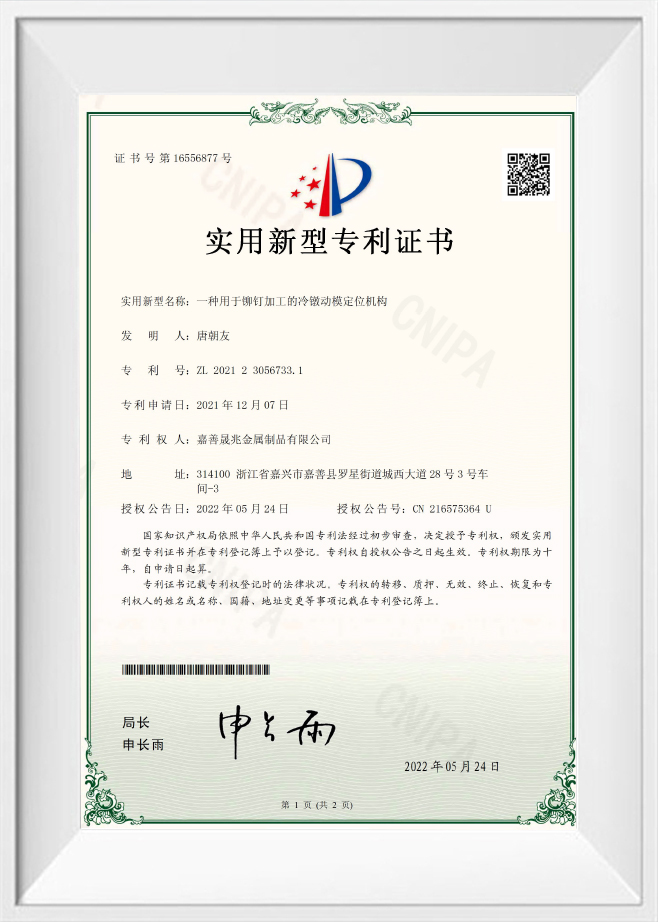
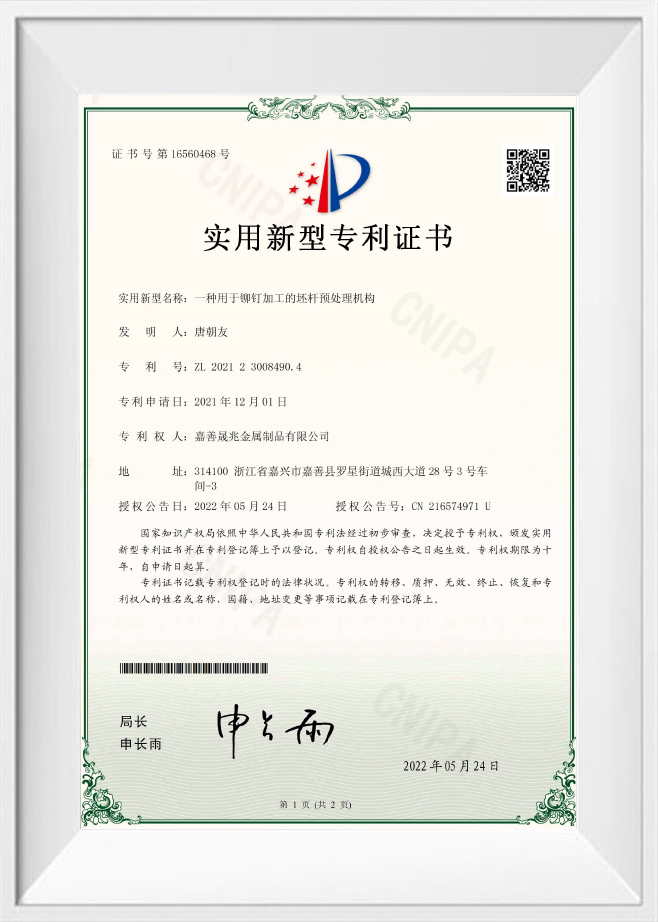
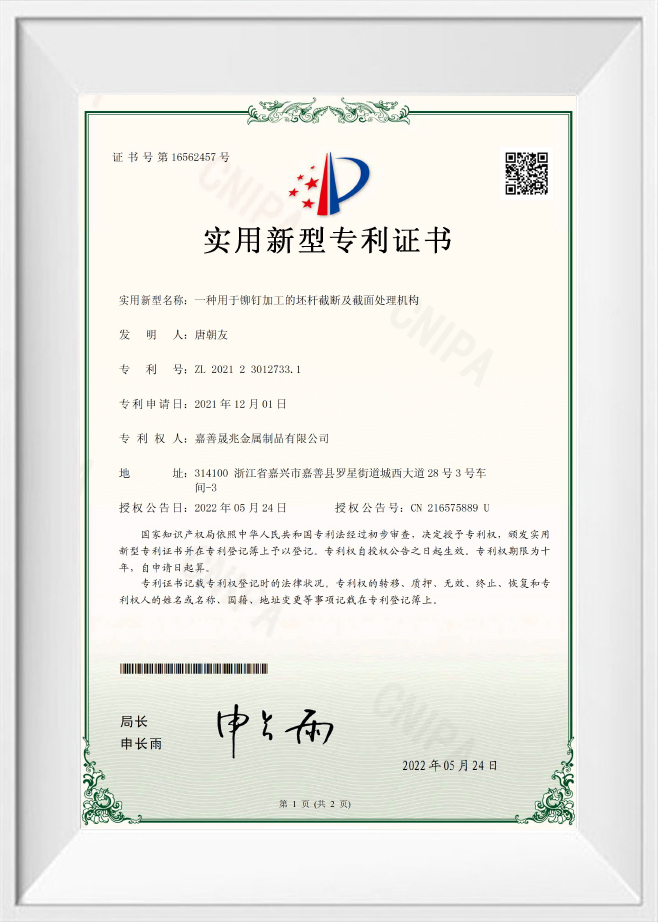
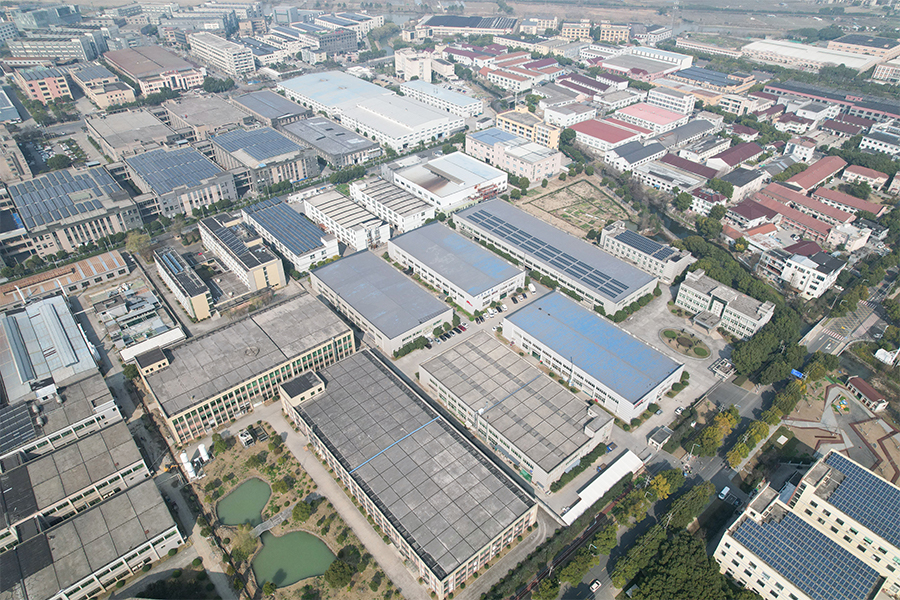
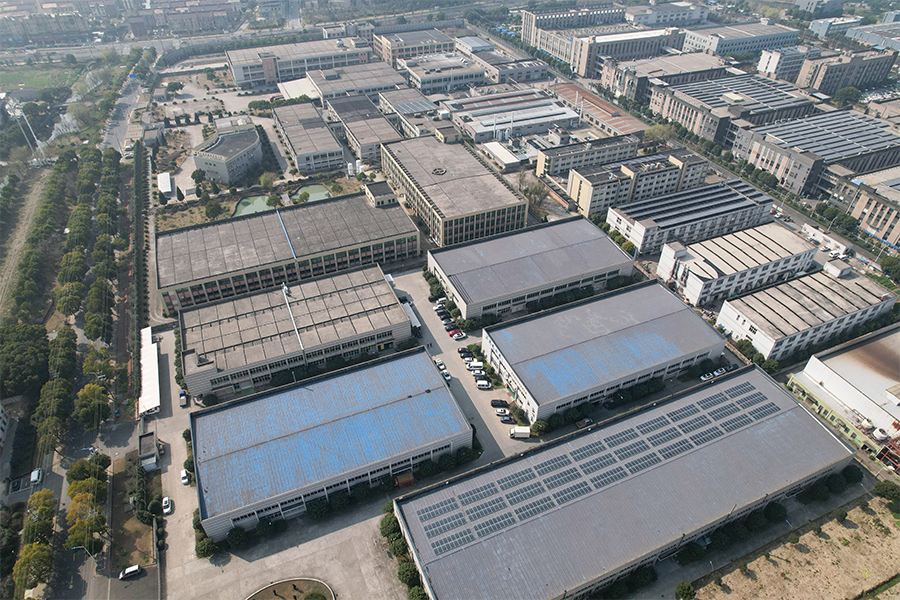
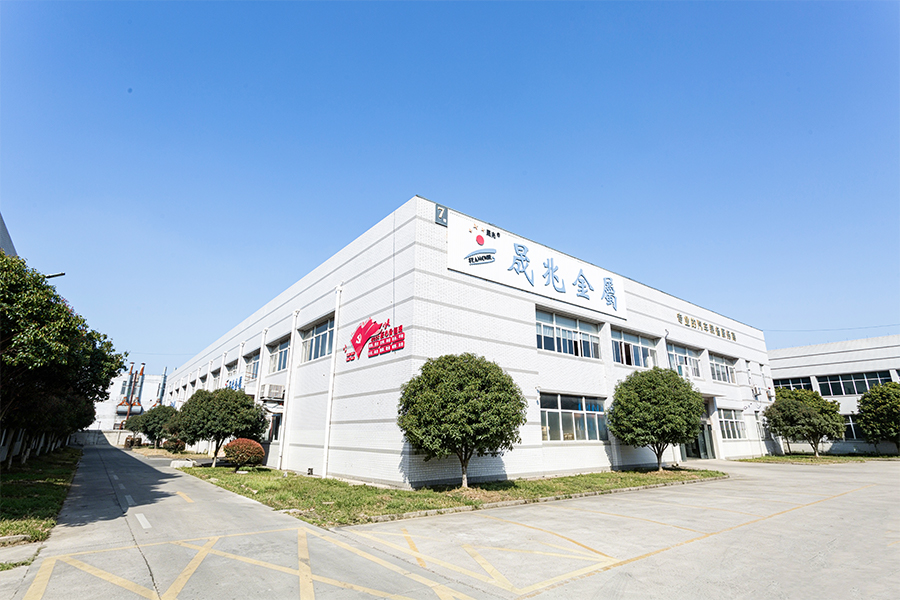
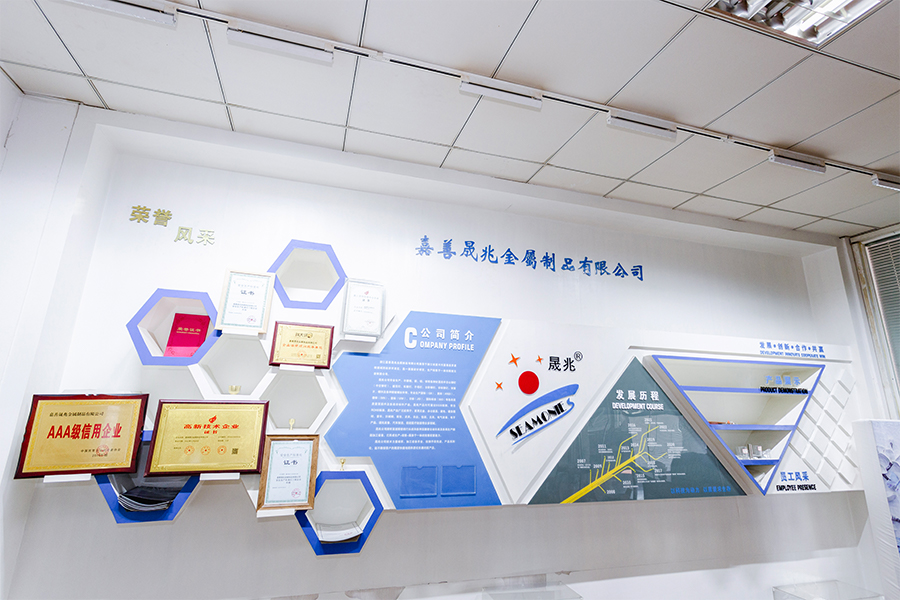
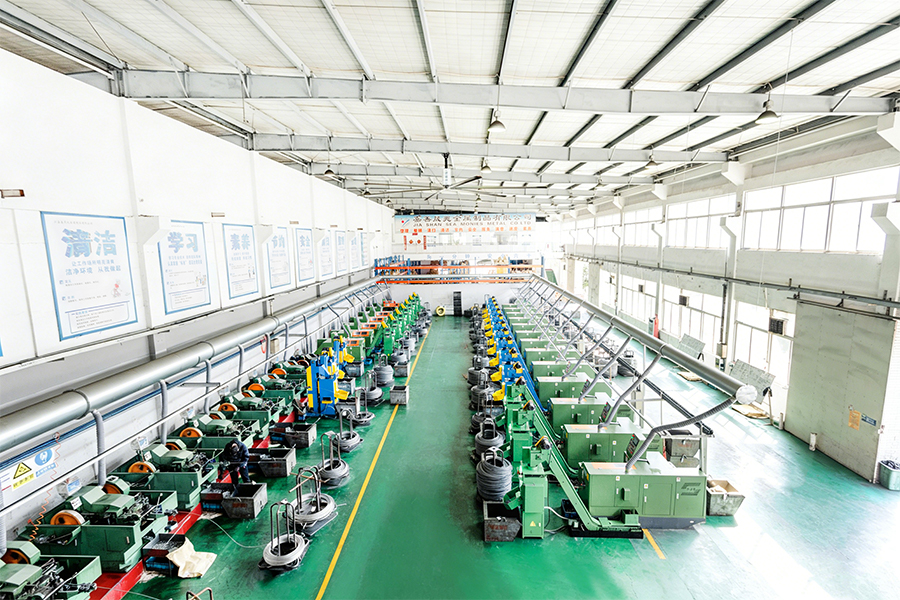
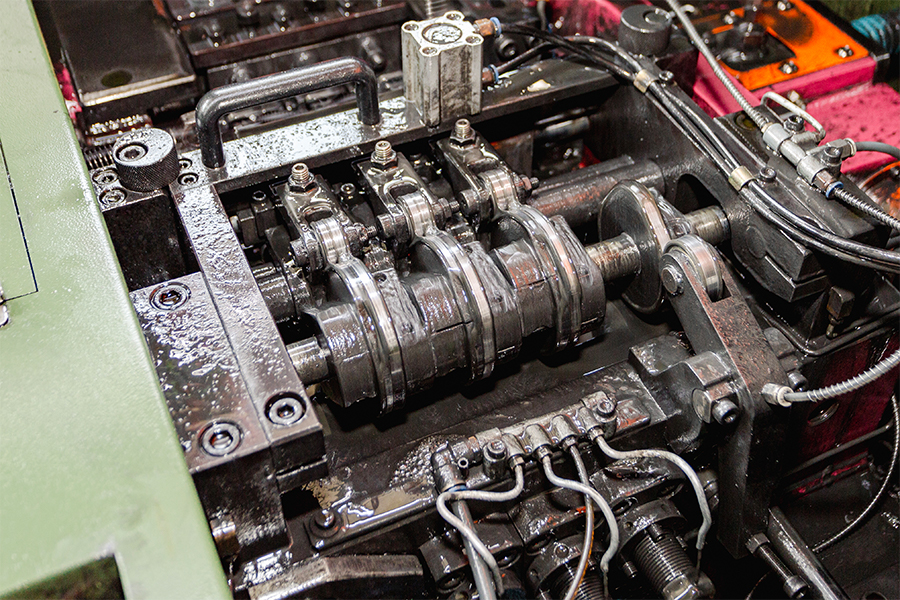
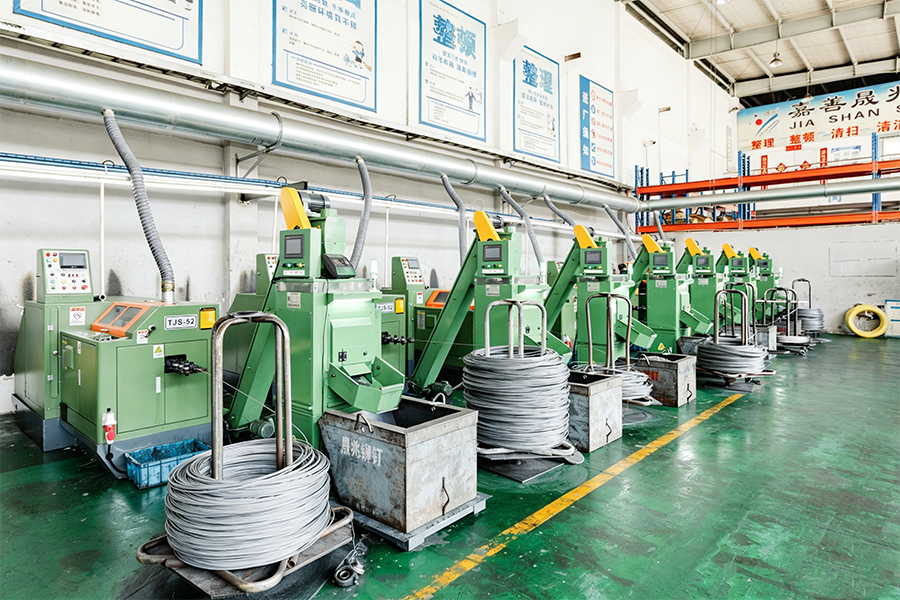
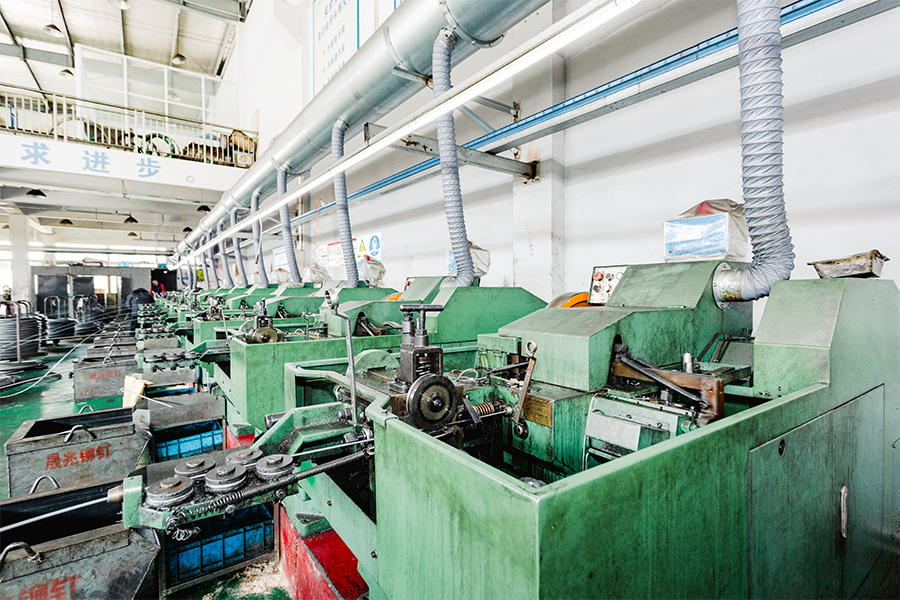
För att uppnå konsekventa mekaniska egenskaper för strukturella bultar krävs exakt kontroll av materialkemi, värmebehandling och testning. Zhejiang Chance & Union Import and Export Co., Ltd. (Chance & Union) är ett familjeägt företag under SEA Monies Metal Co., Ltd., som ärver 20 års familjerfarenhet och kvalitetsarv inom metalltillverkning. Med Shengzhao Metals starka produktionskapacitet och fördelar i leveranskedjan är vi specialiserade på FoU, produktion och global försäljning av högkvalitativa metallprodukter. Genom att hålla fast vid familjens strävan efter precision, rigorös arbetsattityd och långsiktigt engagemang, levererar vi stabila och pålitliga produkter och tjänster till kunder över hela världen.
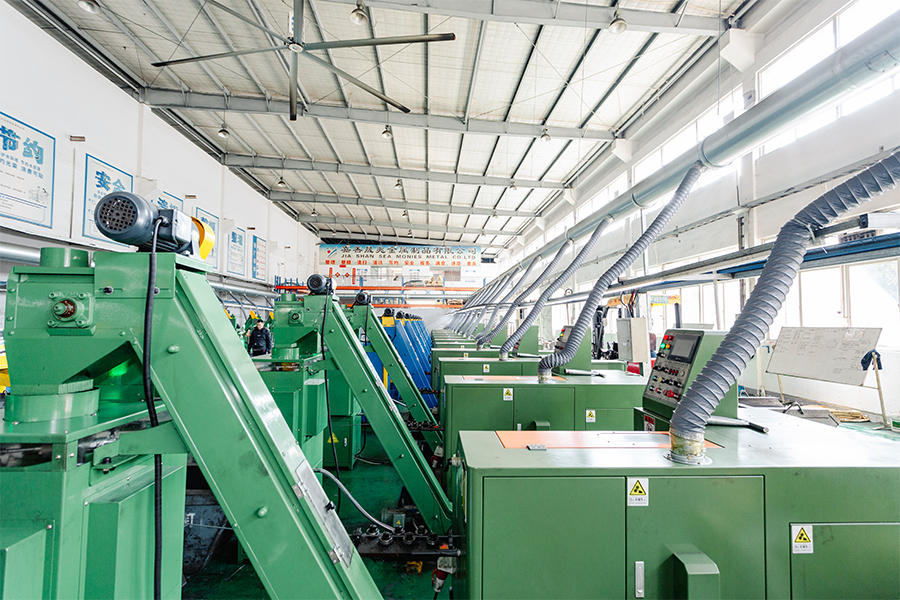
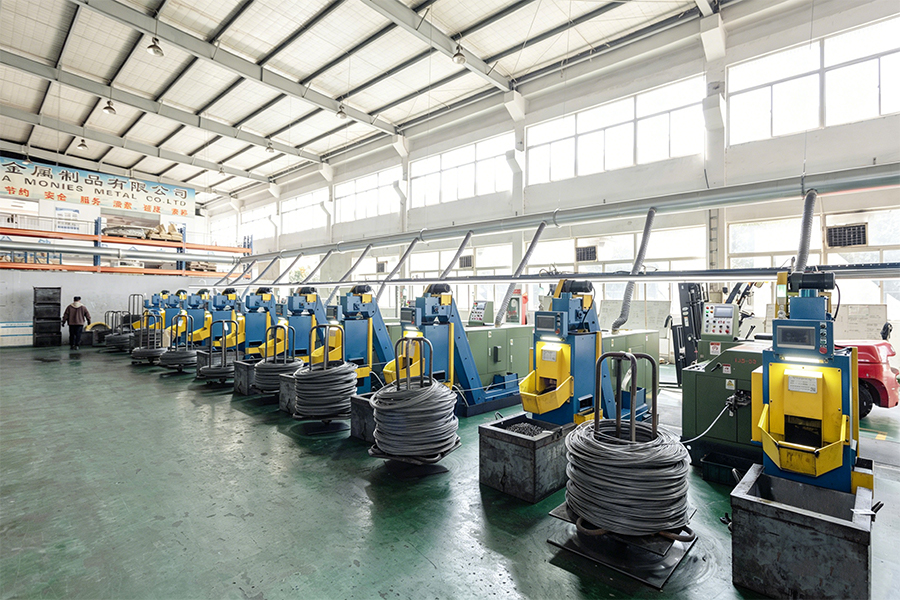
Genom att utnyttja fabrikens robusta FoU- och produktionskapacitet är vi specialiserade på höghållfasta nitar, bultar, muttrar, brickor, stift, skruvar och olika specialanpassade delar som inte är standard. Vårt produktsortiment omfattar material inklusive rostfritt stål, legerat stål, aluminiumlegering, koppar och speciallegeringar, med hjälp av processer som kallskärning, varmsmidning och CNC-bearbetning. Våra produkter exporteras till över 25 länder och betjänar mer än 200 kunder.
Chance & Union har åtagit sig att sömlöst koppla samman "Tillverkad i Kina" med den internationella marknaden, förse globala kunder med en-stop-fästlösningar från FoU till massproduktion genom professionell teknik och exceptionell kvalitet. För strukturella bultapplikationer levererar vi fästelement av både A325 och A490 kvalitet med fullständiga materialtestcertifikat och, för A490, de erforderliga inspektionsrapporterna för magnetiska partiklar.
6. Vanliga frågor (FAQ)
- F1: Kan A325 och A490 bultar användas omväxlande i en strukturell anslutning?
S: Nej. De har olika draghållfasthet, hårdhet och känslighet för spröda brott. Att byta ut dem utan att göra om anslutningen kan leda till otillräcklig styrka eller oväntat fel. A490-bultar har ett högre förspänningskrav och strängare kvalitetskontrollprocedurer. Zhejiang Chance & Union Import and Export Co., Ltd. (Chance & Union) rekommenderar att du konsulterar projektets konstruktionsingenjör innan du byter ut bultkvaliteter. - F2: Varför är A490-bultar inte varmförzinkade?
S: A490-bultar kan inte varmförzinkas av två anledningar: (1) temperaturen i det smälta zinkbadet överstiger bultens anlöpningstemperatur, vilket kan glödga bulten och minska dess hållfasthet; (2) betningsprocessen som används före galvaniseringen introducerar atomärt väte i stålet, vilket kan orsaka väteförsprödning - en fördröjd felmekanism som är särskilt farlig i höghållfasta bultar. Zhejiang Chance & Union Import and Export Co., Ltd. (Chance & Union) erbjuder A325 galvaniserade konstruktionsbultar som ett korrosionsbeständigt alternativ. - F3: Vad är X- och N-beteckningen för konstruktionsbultar och hur hänger det ihop med anslutningstyp?
S: X-beteckningen indikerar att gängorna är exkluderade från skjuvplanet (bultskaftet är i skjuvplanet), vilket ger högre skjuvkapacitet. N-beteckningen indikerar att gängorna kan ingå i skjuvplanet. Denna skillnad är kritisk för anslutningar av lagertyp, där skjuvhållfastheten beror på om lasten passerar genom hela skaftdiametern eller gängornas reducerade rotdiameter. Zhejiang Chance & Union Import and Export Co., Ltd. (Chance & Union) kan leverera konstruktionsbultar med specificerade gänglängder för att uppfylla X- eller N-krav.
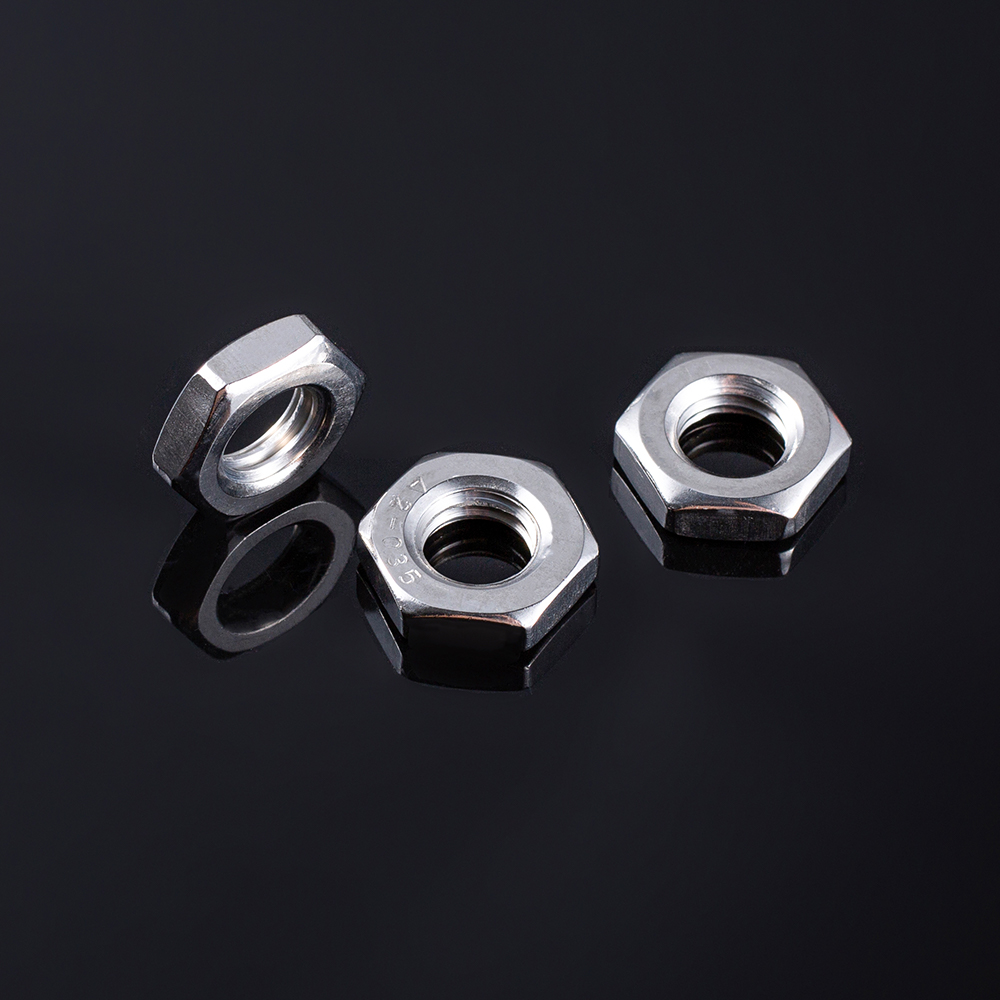
Samling av A2-70 och A4-80 sexkantsmuttrar av rostfritt stål: Hög duktilitet eller höghastighetsinstallation Överhettning?
Fenomenet med gängbildning (även känt som gängning eller kallsvetsning) är ett ihållande och kostsamt problem under installationen av austenitiska fästelement av rostfritt stål, särskilt A2-70 (304) och A4-80 (316) sexkantmuttrar. Gallering kännetecknas av att gängor fastnar - material slits och svetsas samman, vilket ofta gör muttern eller bulten oanvändbar. De två vanligaste orsaksmekanismerna är den inneboende höga duktiliteten hos austenitiska rostfria stål och den lokaliserade överhettningen som orsakas av höghastighetsinstallationsverktyg (t.ex. slagnycklar). Den här artikeln dissekerar fysiken för varje mekanism, tillhandahåller jämförande data och erbjuder praktiska begränsningsstrategier.
1. Mekanismjämförelse: Hög duktilitet vs. lokal överhettning
I följande tabell jämförs de två primära mekanismerna som bidrar till trådgalning sexkantsmuttrar i rostfritt stål .
| Parameter | Hög duktilitet (austenitisk struktur) | Lokaliserad överhettning (höghastighetsinstallation) |
|---|---|---|
| Fysisk mekanism | Austenitiska rostfria stål har en hög arbetshärdningshastighet och saknar det skyddande oxidskiktet som bildas på kolstål. Under glidkontakt slits den skyddande oxidfilmen bort, vilket gör att nakna metallytor kan komma i kontakt med och svetsas samman under tryck. | Höghastighetsmotorverktyg (slagskruvdragare eller högvarvtalsdrivare) genererar friktionsvärme vid gängans gränssnitt. Värmen mjukar upp ytskiktet, ökar friktionskoefficienten och främjar adhesivt slitage – vilket påskyndar gallringsprocessen. |
| Primärt bevis | Gallring förekommer i både manuellt drivna och motordrivna installationer, men frekvensen och svårighetsgraden är betydligt högre när elverktyg används. Det arbetshärdade ytskiktet av austenitiskt rostfritt stål är särskilt benäget att gnaga på grund av sin höga skjuvhållfasthet och avsaknaden av en skyddande smörjfilm. | Studier visar att när installationshastigheten ökar, ökar också yttemperaturen. Användning av en slagnyckel kan generera temperaturer som överstiger materialets omkristallisationstemperatur, vilket drastiskt ökar sannolikheten för att det skaver. Användningen av låghastighetsverktyg eller handverktyg minskar avsevärt skador på skador. |
| Påverkande faktorer | Gängans ytfinish, gängvinkel, muttermaterial och förekomst av smörjmedel. Jämnare ytor och användning av smörjmedel minskar tendensen till kallsvetsning. | Installationshastighet, ingående vridmoment och användning av slagverktyg. Högre förspänningar ökar också friktionskrafterna, vilket ökar risken för överhettning. |
| Begränsningsstrategi | Välj muttrar med ett annat material eller finish (t.ex. nitroniskt eller belagt rostfritt stål), eller se till att gängorna är rena och smorda. Användning av anti-beslagsföreningar är mycket effektiv. | Använd installationsverktyg med låg hastighet (handverktyg eller borrmaskiner med variabel hastighet vid lågt varvtal). Undvik slagnycklar för kritiska sammansättningar. Låt fogen svalna mellan åtdragningspassen. |
2. Mekanismanalys: Vilken mekanism dominerar?
En detaljerad analys av tillgängliga bevis visar att båda mekanismerna är bidragande faktorer, men deras relativa betydelse är inte lika stor.
- Hög duktilitet är den primära orsaken: Austenitiska rostfria stål (A2 och A4 kvaliteter) är naturligt benägna att gnaga eftersom de saknar det skyddande ytoxidskiktet som kolstål förlitar sig på för smörjning. När gängytorna pressas samman under belastning bryts oxidfilmen ner, och den höga skjuvhållfastheten hos den austenitiska strukturen orsakar mikroskopisk svetsning av asperiteter. Detta är en grundläggande materialegenskap – den förklarar varför skador uppstår även i hand åtdragna enheter.
- Höghastighetsöverhettning är en stor accelerator: Medan materialets duktilitet är grundorsaken, ökar användningen av höghastighetsmotorverktyg dramatiskt frekvensen och svårighetsgraden av gnagsår. Friktionsvärmen som genereras av en slagnyckel kan överstiga omkristallisationstemperaturen för austenitiskt rostfritt stål (cirka 450–600°C), vilket mjukar upp ytskikten och främjar vidhäftningsnötning. Studier visar att installationer som använder slagnycklar kan ha en 10–15 gånger högre incidensfrekvens än för hand åtdragna enheter.
- Synergistisk effekt: De två mekanismerna är inte oberoende. Materialets höga formbarhet gör det känsligt för den friktionsvärme som genereras av höghastighetsverktyg. Värmen minskar i sin tur materialets hållfasthet och ökar friktionskoefficienten, vilket skapar en positiv återkopplingsslinga som accelererar bildningen. Denna kombinerade effekt är anledningen till att grusning ofta är svårare i höghastighetsinstallationer än i långsamma.
3. Kvantitativ inverkan av installationshastighet
Följande tabell ger en jämförande analys av infallsförekomsten baserat på installationshastighet och verktygstyp.
| Installationsmetod | Typiskt varvtal | Försvinnande förekomst (relativ) | Rekommenderas |
|---|---|---|---|
| Handverktyg (momentnyckel) | ~5–10 RPM | 1x (baslinje) | Ja – Föredraget för kritiska sammansättningar |
| Drill med variabel hastighet (låg hastighet) | ~200–400 RPM | 3–5 gånger | Ja – om den är smord och kontrollerad |
| Drill med variabel hastighet (hög hastighet) | ~800–1500 RPM | 8–12x | Rekommenderas inte för rostfria fästelement |
| Slagnyckel | Variabel (högt vridmoment) | 15–20x | Rekommenderas starkt för A2/A4-muttrar |
4. Praktisk vägledning för att mildra galling
Med tanke på den kombinerade effekten av materialduktilitet och installationshastighet rekommenderas följande riktlinjer för fältinstallation:
- Använd alltid ett smörjmedel: Applicera en högkvalitativ blandning eller smörjmedel (t.ex. kopparbaserat eller nickelbaserat fett) på bultgängorna innan du installerar muttern. Smörjning minskar friktionen, sänker värmeutvecklingen och fungerar som en fysisk barriär mellan gängytorna.
- Använd låga installationshastigheter: Undvik slagnycklar för kritiska rostfria stålenheter. Använd handverktyg eller borrar med variabel hastighet inställd på lägsta effektiva varvtal. Ju lägre hastighet, desto mindre värme genereras vid gänggränssnittet.
- Håll trådarna rena: Föroreningar som smuts, skräp eller gammalt gängskåp kan fungera som slipmedel, bryta igenom oxidskiktet och initiera skador. Rengör skruv- och muttergängorna noggrant före montering.
- Tillåt kylningstid: För monteringar med stor diameter eller hög förspänning, låt skarven svalna mellan åtdragningspassen för att förhindra värmeuppbyggnad.
- Överväg alternativa material: För applikationer där nötning är ett bestående problem, överväg att använda rostfria stålkvaliteter med minskad gnidningsbenägenhet (t.ex. Nitronic 60 eller 316 med en speciell beläggning).
5. Tillverknings- och kvalitetsperspektiv
Konsistensen på gängformen och ytfinishen hos sexkantsmuttrar av rostfritt stål är avgörande faktorer för att förhindra skärning. Zhejiang Chance & Union Import and Export Co., Ltd. (Chance & Union) är ett familjeägt företag under SEA Monies Metal Co., Ltd., som ärver 20 års familjerfarenhet och kvalitetsarv inom metalltillverkning. Med Shengzhao Metals starka produktionskapacitet och fördelar i leveranskedjan är vi specialiserade på FoU, produktion och global försäljning av högkvalitativa metallprodukter. Genom att hålla fast vid familjens strävan efter precision, rigorös arbetsattityd och långsiktigt engagemang, levererar vi stabila och pålitliga produkter och tjänster till kunder över hela världen.
Genom att utnyttja fabrikens robusta FoU- och produktionskapacitet är vi specialiserade på höghållfasta nitar, bultar, muttrar, brickor, stift, skruvar och olika specialanpassade delar som inte är standard. Vårt produktsortiment omfattar material inklusive rostfritt stål, legerat stål, aluminiumlegering, koppar och speciallegeringar, med hjälp av processer som kallskärning, varmsmidning och CNC-bearbetning. Våra produkter exporteras till över 25 länder och betjänar mer än 200 kunder.
Chance & Union har åtagit sig att sömlöst koppla samman "Tillverkad i Kina" med den internationella marknaden, förse globala kunder med en-stop-fästlösningar från FoU till massproduktion genom professionell teknik och exceptionell kvalitet. För sexkantsmuttrar i rostfritt stål tillhandahåller vi en slät gängfinish och kan erbjuda kompletterande ytbehandlingar (som passivering eller beläggning) för att minska gnistbildningstendensen. Vi inkluderar även installationsvägledning med varje försändelse för att hjälpa till att förhindra fältskada.
6. Vanliga frågor (FAQ)
- F1: Kan jag använda slagnycklar på A2-70 eller A4-80 rostfria muttrar?
S: Det avråds starkt. Höghastighets- och högt vridmoment från en slagnyckel genererar betydande friktionsvärme, vilket dramatiskt ökar risken för att det skakas. För kritiska sammansättningar bör endast handverktyg eller låghastighetsborrar med variabel hastighet användas. Zhejiang Chance & Union Import and Export Co., Ltd. (Chance & Union) rekommenderar att du använder en momentnyckel med kontrollerad hastighet för alla installationer av rostfritt stål. - F2: Påverkar trådens ytfinish gnidningstendens?
A: Ja. En jämnare gängyta (t.ex. rullade trådar snarare än skurna trådar) har en lägre friktionskoefficient och en minskad tendens att initiera skador. Valsade trådar har också en mer konsekvent ytprofil. Zhejiang Chance & Union Import and Export Co., Ltd. (Chance & Union) använder processer för kallskärning och gängvalsning för att tillverka muttrar av rostfritt stål med en överlägsen ytfinish, vilket minskar risken för att gnagsår. - F3: Vilket är det bästa smörjmedlet för att förhindra gnagsår i muttrar av rostfritt stål?
S: En kopparbaserad eller nickelbaserad anti-seize-förening är mycket effektiv. Dessa smörjmedel innehåller fina metallpartiklar som fungerar som en fast smörjmedelsbarriär som förhindrar metall-till-metall-kontakt. De är också effektiva vid höga temperaturer. Zhejiang Chance & Union Import and Export Co., Ltd. (Chance & Union) kan ge monteringsvägledning och, i vissa fall, leverera muttrar med en förapplicerad smörjmedelsbeläggning.





